Yachts for Sale in Italy With Clear Advice
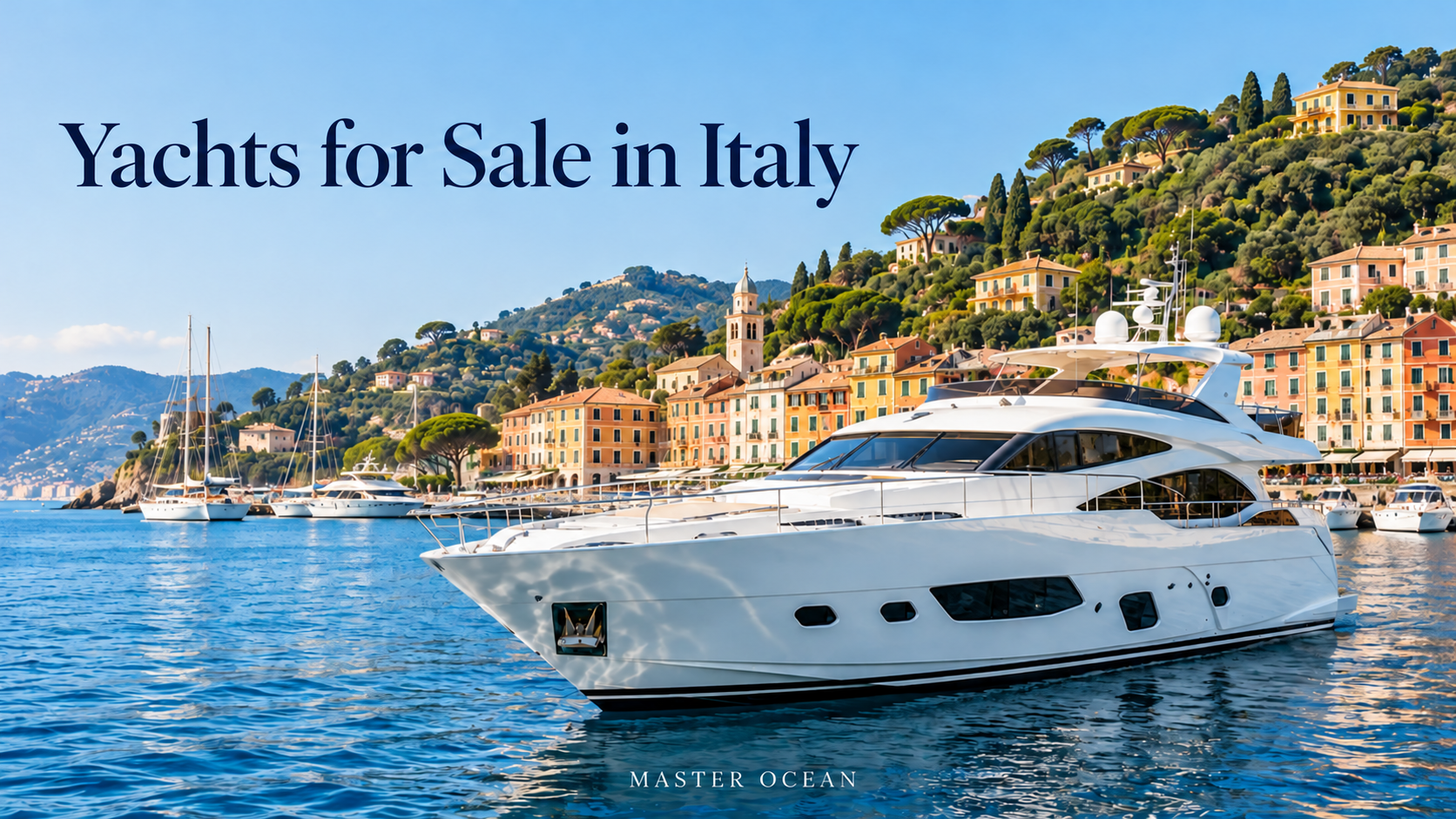
Italy is not simply a place to buy a yacht. It is one of the Mediterranean’s most active ownership, refit, and construction markets, where a buyer can compare a practical day boat, a performance sailing yacht, a family motor yacht, or a substantial superyacht within the same commercial ecosystem. For clients reviewing yachts for sale in Italy, that depth creates opportunity, but it also makes careful selection essential.
A compelling asking price is only one part of the decision. The yacht’s maintenance history, technical condition, VAT and ownership position, berth arrangements, and the practicality of completing work before delivery can have a greater effect on the final cost and enjoyment of ownership than the initial negotiation.
Why Italy Is a Serious Yacht-Buying Market
Italy has a long-established maritime industry, a broad base of experienced owners, and an active network of marinas, shipyards, surveyors, captains, and technical specialists. This matters because many pre-owned yachts on the market have been maintained close to the infrastructure needed for routine service, winter work, refits, and inspections.
The market is particularly strong for Italian-built motor yachts, open sport cruisers, flybridge yachts, and custom or semi-custom vessels. Buyers may also find sailing yachts, catamarans, chase boats, tenders, and commercial-capable vessels, depending on the season and the owner’s selling timetable. Genoa, La Spezia, Viareggio, Naples, Sardinia, Sicily, and the Ligurian coast each offer different inventory patterns and operational considerations.
A yacht located in Italy can also be a logical starting point for Mediterranean use. From the Tyrrhenian coast, an owner can plan summers around Sardinia, Corsica, Sicily, the Amalfi Coast, or the wider Western Mediterranean. That said, location should not outweigh condition. A well-documented yacht in the right technical state is generally more valuable than a convenient yacht carrying deferred maintenance.
How to Compare Yachts for Sale in Italy
The most efficient buyers begin with a clear operating brief rather than a brand name alone. Consider how many people will be aboard, whether the yacht will be owner-operated or professionally crewed, where it will spend most of its time, and whether the priority is day use, extended cruising, charter potential, or a combination of these objectives.
A 40-foot sport cruiser used for weekend coastal trips requires a very different ownership plan from a 100-foot displacement yacht intended for long Mediterranean seasons. The latter may require crew recruitment, a management structure, class or flag-state considerations, larger berth options, and a more detailed maintenance budget. Neither approach is inherently better. The right yacht is the one that aligns with the owner’s time, budget, and intended use.
Ask for evidence, not just descriptions
A listing should provide a credible foundation for discussion, but it is not a substitute for due diligence. Request the available service records, ownership documentation, registration details, VAT information where relevant, engine-hour history, refit invoices, and a record of significant equipment upgrades.
Pay particular attention to the work that is easy to overlook during an initial viewing: stabilizers, generators, air-conditioning systems, watermakers, battery banks, navigation electronics, hydraulic equipment, and tender systems. On sailing yachts, standing rigging, sails, deck hardware, keel arrangements, and moisture readings may require particular attention. The objective is not to find a yacht with no maintenance needs. Every yacht has them. The objective is to understand what is due, what has been completed, and what the budget should reasonably allow after closing.
View the yacht with a transaction plan in mind
An early visit should assess more than the visual impression. Check whether the layout works for your guests, whether machinery spaces are accessible, how the yacht has been stored, and whether the onboard systems reflect the way you will actually use the vessel.
A yacht prepared for viewing may look excellent on deck while still requiring meaningful technical expenditure. Conversely, a yacht with an unremarkable presentation may be a sound acquisition if its machinery, maintenance records, and structural condition are strong. An experienced broker can help separate cosmetic negotiation points from issues that affect safety, usability, resale appeal, or the ability to complete delivery on schedule.
The Survey and Sea Trial Are Decisive
No serious acquisition should proceed without an appropriate independent survey and sea trial, subject to the terms of the purchase agreement. The scope should reflect the yacht’s size, age, construction, intended use, and available history. A relatively simple recreational vessel may need a focused condition survey, while a larger yacht can require hull, machinery, electrical, safety, and specialist inspections.
The sea trial is where operational questions become more visible. It can reveal vibration, handling concerns, performance anomalies, alarm issues, generator behavior, or equipment faults that are not obvious at the dock. It is also the buyer’s opportunity to experience noise levels, visibility from the helm, ride comfort, and the practical flow of the yacht underway.
Survey findings should be handled commercially, not emotionally. Some items are normal for the yacht’s age and should be incorporated into the ownership budget. Others may justify a price adjustment, completion by the seller, a retention arrangement, or a decision to walk away. The right response depends on the severity of the issue, the seller’s position, the availability of parts, and the buyer’s intended delivery date.
Budget Beyond the Purchase Price
A disciplined acquisition budget includes more than the agreed price. Buyers should allow for survey and haul-out costs, legal and registration support, insurance, delivery, immediate maintenance, berth fees, crew where applicable, and any technical upgrades required before use.
The first year is often the most revealing. A newly acquired yacht may need new safety equipment, updated navigation systems, fresh exterior upholstery, a tender replacement, paintwork, or preventative servicing. These expenses are not automatically signs of a poor purchase. They become a problem when they were not identified, budgeted, or prioritized before closing.
For larger yachts, it is sensible to build a transition plan that covers technical management, crew continuity, supplier handovers, inventory checks, and planned maintenance. If the yacht will be moved outside Italy after purchase, delivery timing, weather windows, insurance conditions, and destination requirements should be considered before funds are committed.
Documentation, VAT, and Ownership Structure
Yacht documentation can be straightforward or complex depending on the vessel, its registration, its ownership history, its flag, and the buyer’s intended use. Buyers should seek advice from appropriately qualified legal, tax, and registration professionals before signing or structuring a transaction.
The key commercial point is to identify documentation questions early. Verify who has authority to sell, establish the ownership chain, review any recorded liens or encumbrances where applicable, and clarify the yacht’s VAT position rather than relying on assumptions. If the yacht has operated commercially, been chartered, or changed jurisdictions, the paperwork may require additional review.
A properly managed purchase process typically uses a clear written offer, deposit arrangements through the agreed transaction framework, defined survey and sea-trial conditions, and closing documents that match the agreed ownership structure. This protects both buyer and seller and reduces avoidable delays at a stage when berthing, crew, and delivery arrangements may already be underway.
When Refit Potential Makes Sense
Italy can be a practical market for buyers considering a yacht with refit potential because of its established technical and shipyard network. A refit purchase can create a yacht better suited to a buyer’s preferences, whether that means revised interiors, updated AV systems, improved efficiency, refreshed exterior spaces, or substantial machinery work.
But refit is not a shortcut to a bargain. It requires a defined scope, realistic contingency, careful contractor selection, and a delivery schedule that allows for engineering surprises. The stronger strategy is to acquire a sound platform at the right commercial level, then invest in upgrades that genuinely improve usability, reliability, and long-term appeal.
For an owner who wants immediate summer use, a yacht with completed recent works may be preferable even at a higher purchase price. For a buyer with flexibility and a clear brief, a well-managed refit project may be the better route. The decision depends on time, risk tolerance, technical ambition, and how soon the yacht needs to be operational.
A More Controlled Way to Buy
The best yacht acquisitions are built around verification, not urgency. Start with a brief that defines your cruising plans, ownership budget, preferred size range, crew requirements, and readiness for refit. Then compare suitable yachts on condition, documentation, and total acquisition cost rather than asking price alone.
Master Ocean can coordinate yacht search, buyer representation, viewings, offer strategy, surveys, delivery planning, and the ownership services that follow a purchase. For buyers considering yachts for sale in Italy, one point of coordination is particularly valuable when the transaction includes technical inspections, cross-border logistics, berth discussions, or immediate post-purchase work.
Request a Yacht when you are ready to discuss the vessel type, budget range, and Mediterranean operating plan that best fits your next purchase.