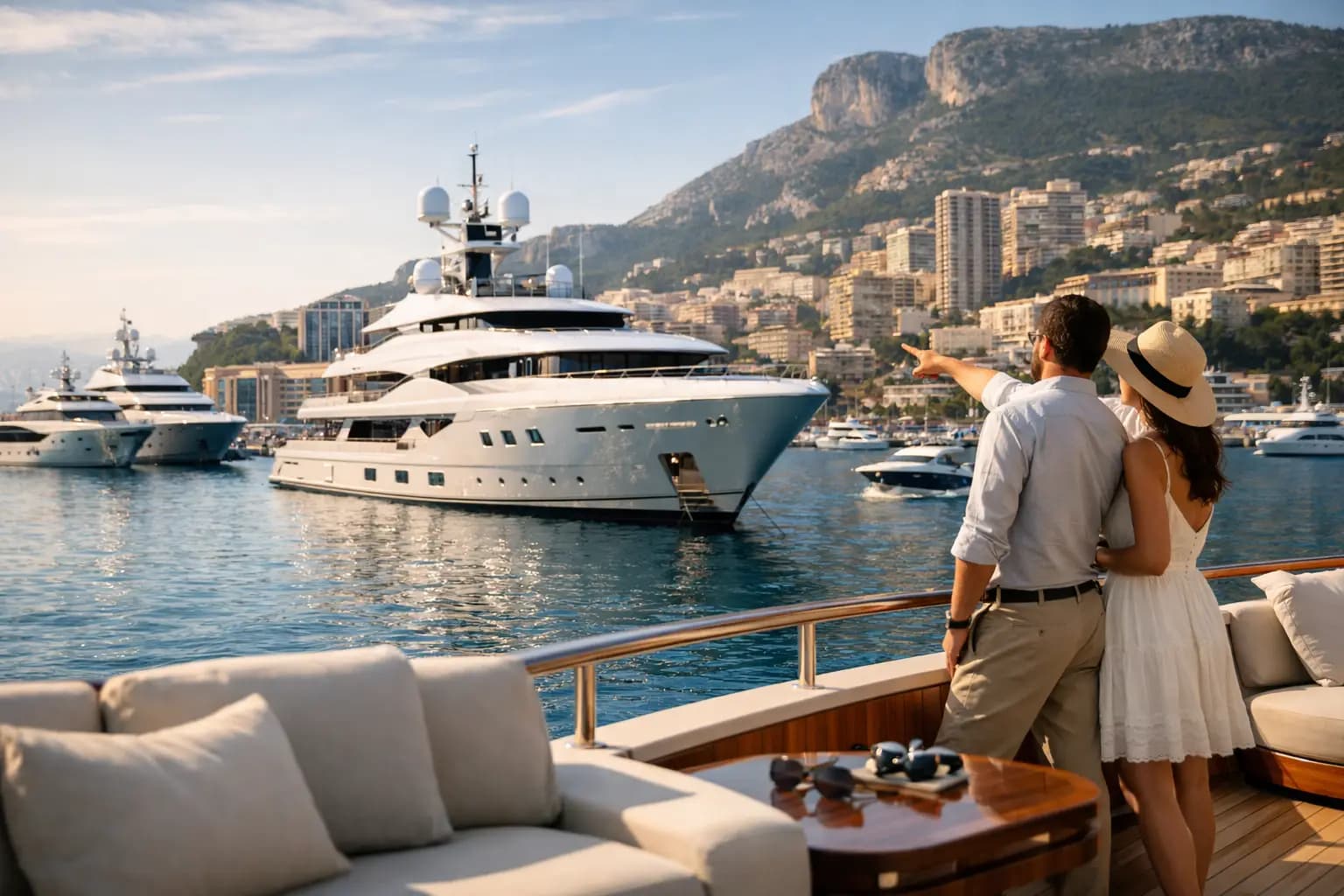
The 2026 market is not simply offering newer inventory. It is offering a different standard of ownership. Buyers searching yachts for sale 2026 are seeing a market shaped by smarter onboard technology, cleaner propulsion discussions, sharper expectations around layout flexibility, and a stronger split between lifestyle-driven purchases and investment-minded acquisitions.
That matters because a yacht bought well in 2026 can deliver years of private enjoyment, stronger charter relevance, and a more favorable resale position. A yacht bought poorly can do the opposite, even if it looks impressive at first glance. For serious buyers, this is a year to be selective rather than reactive.
Why yachts for sale 2026 look different
The biggest shift is not size. It is specification. Buyers are paying closer attention to how a yacht functions when it is actually used for long weekends, extended cruising, guest entertaining, or charter rotations. A beautiful profile still matters, but so do crew flow, storage, tender arrangements, beach club usability, fuel efficiency, and the practicality of the upper deck.
Shipyards and designers have responded. Newer yachts are increasingly built around open social spaces, larger glazing, quieter stabilization, and owner-focused privacy. On many motor yachts, the main deck master remains highly desirable, while on explorer and crossover models, buyers are looking for range, autonomy, and the ability to cruise comfortably beyond the usual seasonal circuit.
At the same time, there is more attention on propulsion choices. Traditional diesel remains dominant in much of the market, especially in larger yachts, yet hybrid systems and electric solutions are moving from curiosity to serious consideration in selected segments. That does not mean every buyer should pursue alternative propulsion. It means the question now belongs in the conversation.
What is driving value in 2026
In premium yacht sales, value is rarely about price alone. It comes down to the relationship between pedigree, specification, condition, operational profile, and timing. In 2026, that relationship is especially clear.
Yachts from proven builders continue to command attention because buyers know what they are acquiring - not just in design language, but in engineering consistency, global service support, and market recognition. A lesser-known build can still be compelling, particularly if the specification is exceptional or the yacht has been maintained to a high standard, but it usually requires more due diligence and a more realistic approach to resale.
Condition remains decisive. Refit history, maintenance records, survey outcomes, and class status all influence the true cost of acquisition. Two yachts with similar asking prices can represent very different ownership commitments over the next 24 months. This is where many buyers either protect their position or expose themselves to avoidable expense.
Layout is another major value driver. The market continues to reward yachts that feel versatile. Buyers want spaces that work for family cruising, guest stays, and social entertaining without compromise. On catamarans, this may mean larger owner suites and refined indoor-outdoor flow. On superyachts, it may mean wellness spaces, fold-down sea terraces, or deck arrangements that support both privacy and events.
The yacht categories attracting the most attention
The strongest interest is spread across several segments, each with a different buyer mindset. Motor yachts remain central for clients prioritizing speed, comfort, and a polished guest experience. They suit buyers who want immediate usability in destinations such as the Mediterranean, Miami, or the UAE, where service infrastructure and marina access support active seasonal cruising.
Explorer yachts continue to attract buyers who value range, stability, and substance over trend. These vessels appeal to owners planning longer itineraries, more autonomous cruising, or a more capable platform for global travel. They also tend to attract buyers who think strategically about build quality and operational durability.
Sailing yachts still hold a distinct place for owners who want elegance with a more connected cruising experience. The appeal is not only aesthetic. For many experienced buyers, a high-quality sailing yacht offers a different pace and a different style of ownership.
Catamarans, including luxury sailing and power catamarans, remain highly relevant in 2026 because they combine volume, stability, and a strong leisure layout. They are especially attractive for owners who prioritize social space, shallow-draft access, and family comfort. In selected cases, they also present interesting charter potential because their layout tends to align well with guest expectations.
How to evaluate yachts for sale 2026 with a sharper eye
The smartest buyers do not start with decoration. They start with use case. Before looking seriously at any yacht, define how the vessel will be used over the next three to five years. Private Mediterranean summers and occasional events require a different platform than long-range cruising, charter management, or mixed-use ownership.
Once that is clear, the shortlist becomes more disciplined. Beam, draft, crew configuration, guest capacity, tender storage, and engine profile can be assessed in context rather than in isolation. This saves time and improves decision quality.
A professional inspection process is equally important. Survey, sea trial, legal review, title verification, and operational cost forecasting should all be treated as standard rather than optional. In this market, presentation can be very polished. That makes technical review even more important, not less.
Buyers should also examine where the yacht sits within the broader market cycle. Some listings are priced to move. Others are priced to test ambition. The difference is not always visible at first glance. A skilled brokerage team can identify whether an asking price reflects genuine market positioning, owner sentiment, or an outdated valuation.
New build or brokerage in 2026?
It depends on priorities. A new build offers customization, current design thinking, warranty advantages, and the appeal of being first owner. For buyers with a clear vision and patience for the process, that can be extremely attractive. It also allows deeper control over specification, technology integration, and finish.
The trade-off is time, capital commitment, and exposure to build timelines. Even with a respected shipyard, a new build requires active management and disciplined decision-making.
Brokerage yachts offer immediacy. In many cases, they also present better value relative to replacement cost, especially when the yacht has been well maintained and intelligently specified from the start. A recent-model brokerage yacht can be a particularly strong acquisition if the goal is near-term cruising or charter entry without waiting through a full construction schedule.
For many buyers in 2026, the right answer is not ideological. It is practical. If the ideal yacht already exists, brokerage can be the smarter route. If the requirement is highly specific, new build may justify the longer path.
Ownership strategy matters more than ever
High-level yacht acquisition should be viewed as an ownership strategy, not a one-time transaction. Buyers who plan ahead on crewing, management, maintenance scheduling, flag, registration, berth access, and charter positioning usually make stronger decisions at the purchase stage.
This is especially true for clients considering charter offset. Not every yacht is equally suited to charter demand, and not every owner should place a yacht into the charter market. The right vessel, in the right condition, with the right crew and itinerary positioning, can perform well. The wrong vessel may create wear and administrative complexity without meaningful return.
This is where a full-service approach becomes valuable. A brokerage relationship should not end at signing. It should extend into management, technical support, operational planning, and market positioning. For clients operating internationally, that continuity reduces friction and protects the asset over time.
What serious buyers should ask before making an offer
Before moving forward, ask direct questions. Why is the owner selling now? What refit work is coming due? How does this yacht compare with similar opportunities currently available? Is the specification still competitive for 2026 expectations, or will updates be needed to remain current?
Also ask whether the yacht fits your life beyond this season. A purchase can feel exciting in the moment and still be misaligned with how you actually travel, entertain, or manage crew. The right yacht should not only impress on inspection day. It should continue making sense after the first year of ownership.
For buyers navigating yachts for sale 2026 at the premium end of the market, precision is an advantage. So is perspective. Master Ocean and similarly capable full-service advisors understand that selecting a yacht is not only about access to listings. It is about matching vessel, objective, timing, and support into one clear decision.
The best yacht purchase in 2026 will not always be the newest, the largest, or the most visible. It will be the one that fits your standards, your itinerary, and your next chapter on the water with very little compromise.