Yacht Buying Guide

Yacht Survey Before Purchase: What Matters

MaMaster Ocean Yacht Experts
β€’
Yacht Survey Before Purchase: What Matters
A polished hull, fresh exterior detailing, and a well-presented engine room can create a strong first impression, but they do not tell you what sits behind the finish.

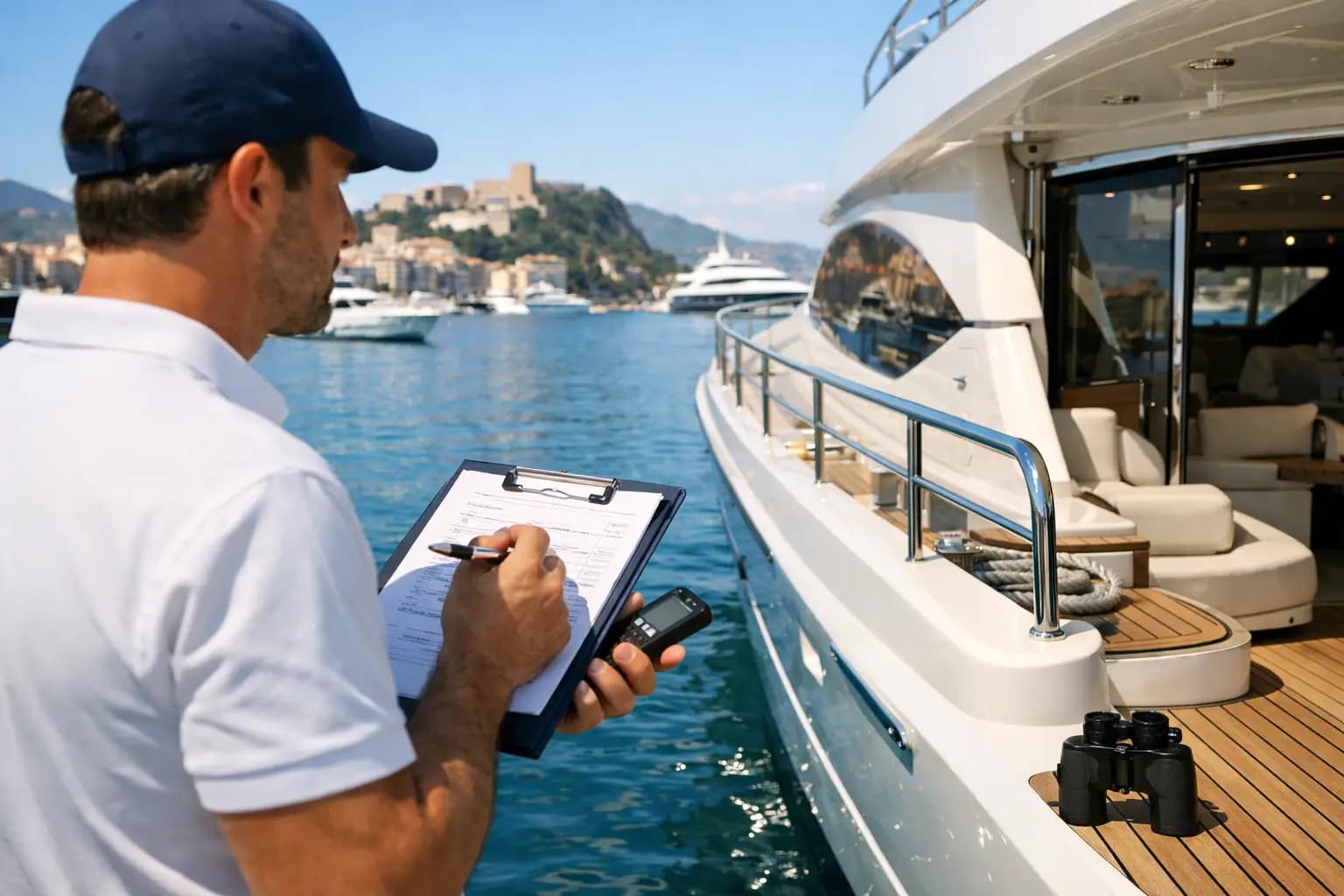
A yacht survey before purchase is the point where appearance gives way to evidence. For serious buyers, it is not an optional formality. It is the process that protects capital, clarifies value, and turns an attractive listing into an informed acquisition decision. In the luxury and mid-market yacht space, the cost of getting this step wrong can be significant.

Cosmetic issues are rarely the problem. Structural moisture, deferred maintenance, electrical irregularities, machinery wear, poor refit standards, and undocumented modifications are where transactions become complicated. A proper survey does more than identify defects. It gives you negotiating leverage, helps lenders and insurers assess risk, and sets realistic expectations for ownership from day one.

Why a yacht survey before purchase matters

A yacht purchase is rarely just about the asking price. It is about total exposure. Even a vessel that presents well during a sea trial can carry hidden liabilities that affect safety, operating cost, and future resale. The survey creates an objective technical baseline. For buyers acquiring a family cruiser, performance yacht, catamaran, or superyacht support vessel, that baseline matters for different reasons.

A private owner may want reassurance that the yacht is ready for immediate use. An investor or commercially minded buyer may be focused on charter readiness, compliance, and upcoming capital expenditure. In both cases, the survey helps separate manageable findings from true deal-breakers.

There is also a practical timing issue. Once contracts advance and logistics begin, buyers can feel pressure to keep the transaction moving. That is exactly when discipline matters most. A survey slows the process in the right way. It introduces verification before commitment.

What a pre-purchase yacht survey actually covers

A yacht survey before purchase is not a single glance at the hull. It is usually a coordinated review of the vessel's structure, systems, machinery, safety equipment, and overall condition, often paired with a sea trial and haul-out. The precise scope depends on the yacht's size, type, age, build material, flag, and intended use.

Hull, deck, and structure

Surveyors assess the visible condition of the hull, deck, superstructure, and key structural areas. On fiberglass yachts, moisture readings, signs of delamination, previous repairs, gelcoat cracking, and core condition become central. On aluminum or steel vessels, corrosion, coating condition, weld integrity, and evidence of electrolysis may deserve closer attention. Teak decks often require a more careful eye than buyers expect, because wear, poor fastening history, or water ingress can turn a premium finish into a major expense.

Engines, generators, and propulsion

Machinery review is one of the most consequential parts of the process. General surveyors will inspect installation, visible condition, maintenance indicators, and operational behavior, but engine surveys by marque specialists are often advisable for larger yachts or high-value machinery. Hours alone do not tell the whole story. Service history, load performance, cooling systems, vibration, exhaust condition, oil analysis, and evidence of deferred maintenance often matter more.

Electrical, plumbing, and onboard systems

Modern yachts are complex platforms. Air conditioning, stabilization, navigation electronics, battery systems, chargers, watermakers, blackwater systems, hydraulic equipment, and shore power integration all influence ownership quality. A survey identifies whether these systems are functioning properly, installed to acceptable standards, or nearing replacement.

Safety and compliance

Safety equipment, fire suppression, bilge systems, alarms, life-saving appliances, and general compliance items are part of the picture. For yachts intended for charter or cross-border operation, compliance can become more nuanced. A vessel may be perfectly attractive as a private yacht yet require substantial upgrades to meet commercial expectations.

What the survey does not do

A good survey is thorough, but it is not limitless. It is typically a non-destructive inspection, which means concealed areas may remain inaccessible and some findings are based on observed condition rather than teardown-level certainty. Buyers should understand that surveys reduce risk. They do not eliminate it.

This is why context matters. A ten-year-old yacht with minor deficiencies, complete records, and honest wear may represent a stronger acquisition than a newer vessel with inconsistent maintenance and poorly documented modifications. Survey findings must be interpreted against age, usage, and intended ownership goals.

Choosing the right survey team

The quality of the survey is only as strong as the professionals involved. For most transactions, the best approach is not simply hiring one person and hoping for full coverage. It is assembling the right expertise for the yacht in question.

A general marine surveyor is typically the anchor of the process, but larger or more technically demanding vessels may also require an engine specialist, an electronics technician, or a rigging surveyor for sailing yachts. Catamarans can introduce different inspection priorities than monohulls, particularly around bridging structures, load distribution, and system layout. Explorer yachts and heavily customized vessels often justify an even more specialized review.

Independence is equally important. Buyers should work with surveyors who are not tied to the seller's interests or influenced by the urgency of closing. Clear reporting, professional credentials, and experience with comparable yachts matter more than convenience.

Yacht survey before purchase: the findings that change the deal

Not every deficiency should trigger alarm. On almost every pre-owned yacht, a survey will produce a list of recommendations, maintenance items, and repairs. The key is understanding which findings affect value, safety, or long-term ownership burden.

Structural moisture in critical areas, major engine irregularities, evidence of grounding, corrosion in load-bearing sections, compromised tankage, electrical safety concerns, and poor-quality refit work deserve immediate attention. These are the issues that can materially change your position.

Then there are findings that are less dramatic but still commercially relevant. Expired safety equipment, aging batteries, worn canvas, outdated electronics, or air conditioning service needs may not stop the deal, but they should influence your negotiation and short-term budget. Buyers who treat all findings as equal often lose clarity. Experienced buyers separate cosmetic catch-up from technical risk.

How survey results shape negotiation

The strongest negotiations are grounded in facts, not emotion. A survey report gives buyers a professional basis for requesting repairs, a price adjustment, escrow retention, or revised terms. In some cases, it confirms that the yacht is appropriately priced and worth moving forward without friction. In others, it reveals a gap between marketed condition and actual condition.

This is where judgment matters. Sellers do not always respond well to inflated demands built around minor wear. At the same time, buyers should not absorb serious technical liabilities simply to preserve momentum. The right outcome depends on the total package - vessel rarity, market demand, seasonality, seller flexibility, and the scale of corrective work. For premium transactions, discretion and precision usually outperform aggressive theatrics. A calm, evidence-based negotiation tends to keep serious deals alive.

Timing, sea trial, and haul-out

A meaningful survey process usually includes both a sea trial and haul-out. The sea trial shows how the yacht behaves under load, how systems perform underway, and whether the vessel presents issues that do not appear dockside. Haul-out is essential for viewing running gear, hull condition below the waterline, through-hulls, trim tabs, shafts, props, rudders, and other submerged components. Skipping either step weakens your visibility.

There are occasions when a buyer considers a limited dockside inspection first, particularly in a competitive acquisition, but that should be seen as an early filter rather than a substitute for full pre-purchase diligence.

A smarter way to approach the purchase

The most successful yacht acquisitions are not driven by excitement alone. They are guided by structure. That means reviewing maintenance records before survey day, confirming ownership and documentation, understanding intended use, and matching the scope of inspection to the complexity of the vessel.

For buyers operating internationally, coordination becomes even more important. Survey scheduling, shipyard availability, flag considerations, and local technical support can all affect transaction timing. This is where a full-service brokerage environment can add real value by aligning surveyors, sea trial logistics, documentation review, and post-survey negotiation into one managed process.

Master Ocean approaches this stage with the same standard expected across premium yacht transactions: protect the client, verify the asset, and keep the deal moving with clarity.

A fine yacht can absolutely justify a strong purchase decision, even when a survey uncovers work to be done. The point is not to find a perfect vessel. The point is to know exactly what you are buying, what it will require, and whether the opportunity still makes sense on your terms. That is how confidence enters the transaction - not from presentation, but from proof.
Home
Yachts
Services
Blog