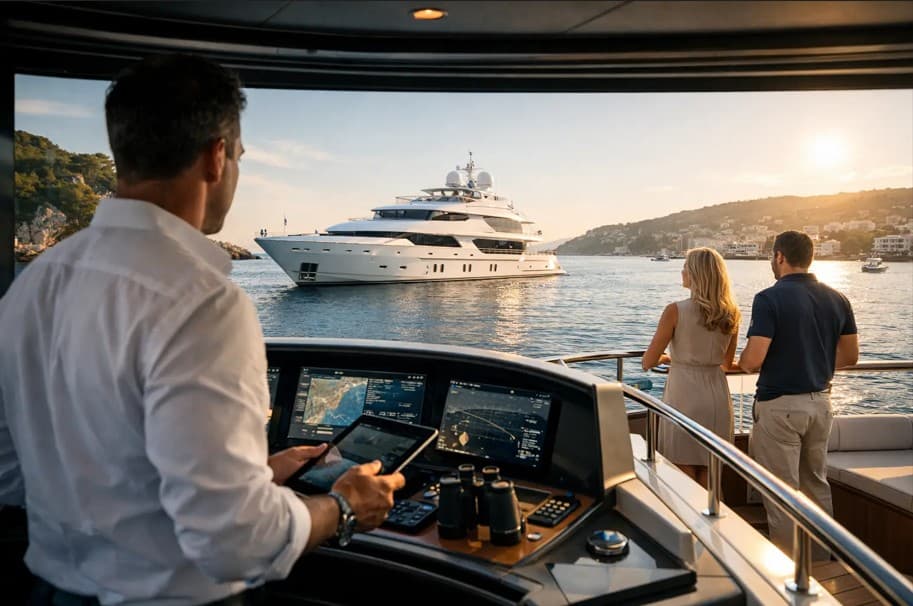
A yacht can represent freedom, privacy, status, and remarkable access to the world’s best coastlines. It can also become a demanding operational asset the moment the purchase closes. That is where yacht management stops being a convenience and starts becoming a strategic decision.
For owners with limited time, multiple residences, business obligations, or charter plans, the real question is not whether support is useful. It is whether the vessel is being managed with enough precision to protect value, reduce risk, and keep every detail aligned with owner expectations. A well-run yacht should feel effortless on board because the complexity is being handled properly behind the scenes.
What yacht management really covers
At the highest level, yacht management is the professional oversight of a vessel’s technical, operational, administrative, and financial needs. That includes everything from maintenance planning and refit coordination to crew administration, safety compliance, berth logistics, budgeting, and charter support where relevant.
Many owners initially think of management as a maintenance function. In practice, that is only one part of the picture. A modern yacht operates within a web of regulations, vendor relationships, class requirements, insurance obligations, and owner preferences. If those moving parts are handled separately by different providers with no central coordination, standards slip quickly.
The best management structure creates one clear operational framework. It keeps the yacht ready for private use, protects the asset during quiet periods, and supports smooth transitions between cruising, yard time, guest use, and charter activity.
Why yacht management matters more than owners expect
A poorly managed vessel rarely fails all at once. More often, standards erode gradually. Maintenance is delayed because scheduling was weak. Crew turnover increases because administration is inconsistent. Yard work goes over budget because scope control was vague. Documents remain technically current, but not strategically organized. The owner still has a yacht, but not a well-governed asset.
That distinction matters. A yacht is not just a lifestyle purchase. It is a high-value mobile property with systems that demand regular oversight and records that need to withstand scrutiny from insurers, flag administrations, guests, captains, and future buyers.
Strong yacht management improves three things owners care about most. First, it protects usability. The yacht is ready when the owner wants to travel, host, or reposition. Second, it protects financial discipline by bringing visibility to costs, contracts, and maintenance cycles. Third, it protects long-term value by keeping the vessel in documented, marketable condition.
This becomes even more important for larger motor yachts, superyachts, and commercially operated vessels. The more complex the yacht, the more expensive disorganization becomes.
The core pillars of yacht management
Technical oversight
Technical management sits at the center of vessel performance. This includes preventative maintenance scheduling, engineering support, service intervals, defect tracking, spare parts coordination, shipyard planning, and refit supervision.
A premium management team does not simply react to technical issues. It anticipates them. Engines, generators, navigation systems, stabilizers, hotel systems, tenders, and onboard equipment all require disciplined lifecycle planning. If a yacht only receives attention when something fails, downtime becomes more likely and repair costs usually rise.
There is also a major difference between routine servicing and technical strategy. Good managers know when to repair, when to replace, and when to combine works during a yard period to reduce lost cruising time.
Crew support and administration
Crew quality has a direct effect on owner experience. Recruitment, payroll, contracts, certifications, rotation planning, and performance structure all influence consistency on board.
Some owners prefer to stay closely involved in crew decisions. Others want a trusted management partner to handle most of the process. Either approach can work, but only if responsibilities are clear. Crew administration is one of the most overlooked parts of yacht management until there is a staffing issue at the wrong moment.
A stable, well-supported crew protects service quality, safety, and onboard culture. That matters whether the yacht is used strictly for private cruising or prepared for charter guests in competitive destinations such as the Mediterranean or Caribbean.
Compliance and risk control
Compliance is not glamorous, but it is essential. Registration, flag requirements, class matters, safety certification, insurance coordination, inspections, and operational documentation all need active management.
The details vary depending on vessel size, use profile, cruising area, and whether the yacht is private or commercial. That is where a one-size-fits-all approach fails. A yacht cruising seasonally through Europe with charter activity has a very different compliance profile from a privately used vessel operating selectively in the USA or UAE.
Professional oversight reduces the chance of missed deadlines, incomplete records, or insurance complications. More importantly, it creates confidence that the yacht is being operated to a standard that matches the value of the asset.
Financial reporting and budget discipline
Yacht ownership always involves meaningful running costs. The issue is not avoiding them. The issue is controlling them intelligently.
A serious management program provides structured budgeting, invoice review, vendor coordination, spend tracking, and transparent reporting. Owners should understand where money is going, what is planned next, and which costs are routine versus exceptional.
This is one area where premium service often pays for itself. Unmanaged spending tends to hide inside rushed repairs, duplicated vendor work, poor procurement, and weak project control. Financial visibility creates better decisions, especially before major maintenance cycles or refits.
Private use vs charter use in yacht management
Not every owner needs the same management model. A privately used yacht focused on family travel and selective guest entertainment will usually prioritize discretion, availability, and service continuity. A charter-oriented yacht must also be managed for guest readiness, compliance, presentation, itinerary support, and revenue performance.
The overlap is significant, but the operational emphasis changes. Charter vessels require stronger scheduling discipline and tighter coordination between technical condition, interior standards, crew readiness, and commercial use. Owners considering charter should treat yacht management as part of business planning, not an afterthought.
That does not mean every yacht should charter. For some owners, privacy and schedule flexibility are worth more than offsetting costs. For others, occasional charter use is sensible if the management structure is built to support it without compromising the owner experience.
How to judge a yacht management provider
The right provider should combine discretion with operational rigor. That sounds obvious, but many firms lean too heavily to one side. Some are polished in client communication but weak in execution. Others handle technical matters well but lack the service standards expected in the luxury market.
Owners should look for clarity in reporting, responsiveness, global vendor access, and the ability to coordinate across maintenance, compliance, logistics, and crew support without creating confusion. The strongest providers also understand that ownership is personal. Two vessels of similar size may require completely different management styles because the owners use them differently.
Global reach also matters. A yacht moving between Monaco, Miami, Dubai, or major Mediterranean hubs needs management that can coordinate across regions without losing continuity. A fragmented support network may work during routine months, but not when itineraries change, yard windows tighten, or urgent technical decisions are required.
Master Ocean reflects this full-service model by combining yacht sales, charter, marine support, and yacht management within one international structure, which can be especially valuable for owners who want fewer handoffs and higher accountability.
Yacht management as asset protection
Owners often think about resale value when preparing to sell. In reality, value is being shaped the entire time they own the yacht. Maintenance history, system condition, documentation quality, cosmetic standards, refit choices, and crew consistency all influence how the market responds later.
A yacht with strong management records usually presents better, surveys better, and inspires more confidence from buyers and brokers. That does not guarantee a premium outcome in every market, but it strengthens the vessel’s position and reduces friction during due diligence.
There is also a lifestyle benefit that is easy to underestimate. When management is handled properly, the owner spends less time chasing yard updates, approving emergency fixes, resolving administrative gaps, or correcting preventable service issues. The yacht feels like a private asset again, not a constant operational project.
When owners should upgrade their management approach
Some signs are obvious. Costs feel unpredictable. Yard periods keep expanding. Crew changes are frequent. Maintenance records are incomplete. The yacht is technically available but never fully guest-ready. Other signs are more subtle, such as too much reliance on one individual, weak reporting, or no long-range maintenance roadmap.
Owners often reassess management after a sale, before a charter program, ahead of a major refit, or when moving into a larger yacht. Those are sensible moments to build better structure. Still, waiting for a trigger event is not always ideal. The earlier the operating framework is established, the easier it is to maintain standards over time.
Yacht ownership should feel distinguished, not administratively heavy. The right yacht management approach brings discipline to the background so the experience on board remains polished, private, and ready when it matters most. For serious owners, that is not an extra service. It is part of owning well.