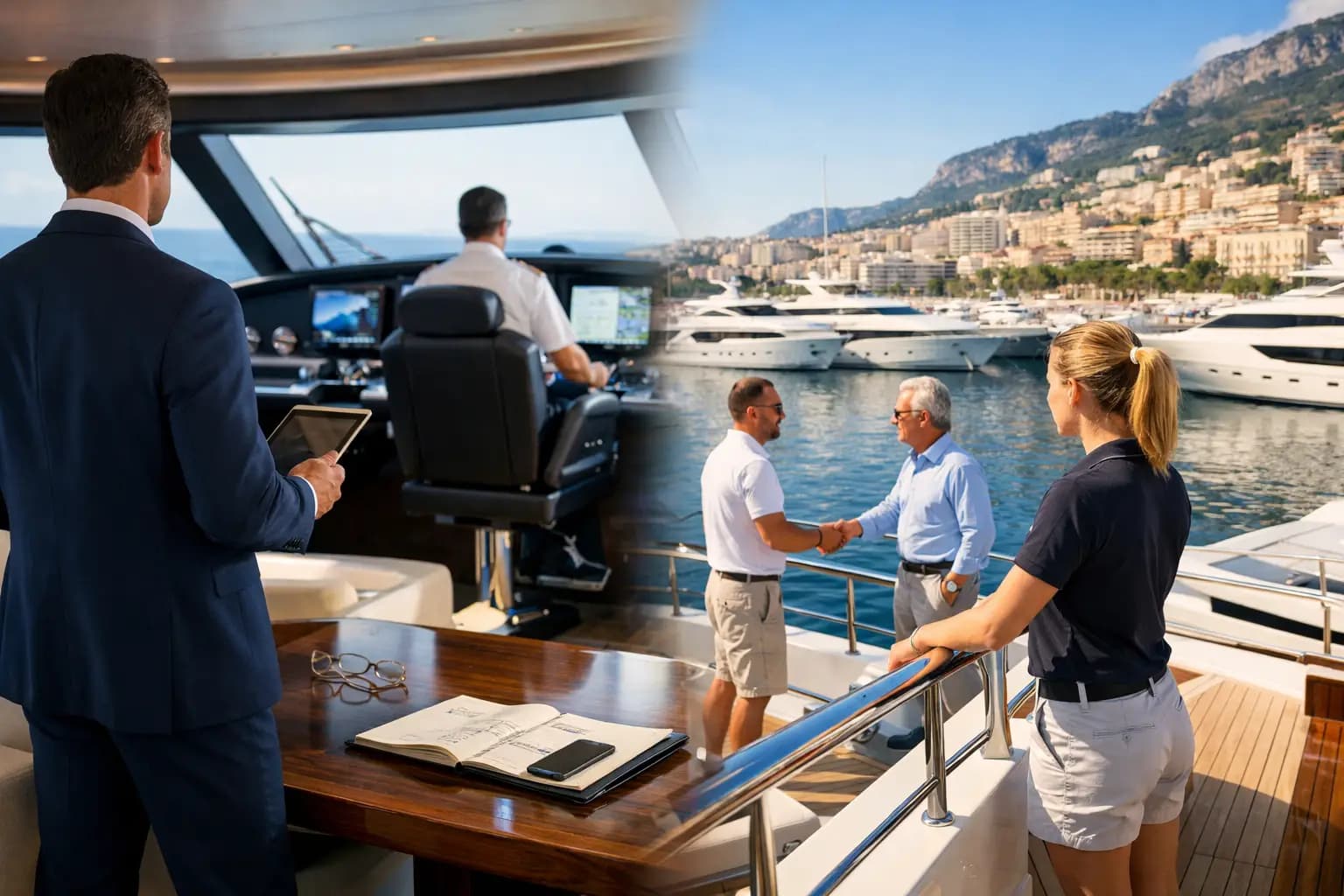
A yacht can deliver extraordinary freedom, but ownership is rarely simple. If you are asking what is yacht management, the practical answer is this: it is the professional oversight of a yacht’s technical, operational, administrative, and financial needs so the vessel stays compliant, protected, and ready for private or charter use.
For many owners, yacht management is less about delegation for its own sake and more about control through expertise. A well-managed yacht is maintained to a higher standard, operated with fewer surprises, and positioned to preserve both enjoyment and long-term asset value.
What Is Yacht Management in Practice?
At its core, yacht management is a structured service that coordinates everything required to run a yacht properly. That can include crew administration, technical maintenance, refit planning, budget tracking, flag and class compliance, insurance support, marina logistics, charter readiness, safety procedures, and vendor coordination.
The scope depends on the vessel. A 60-foot motor yacht used privately on a seasonal basis has very different needs from a superyacht operating internationally with full-time crew and charter activity. In both cases, the goal is the same: to make sure the yacht is professionally supported, legally compliant, mechanically reliable, and presented to the standard ownership demands.
That is why yacht management is often compared to a combination of private office, operations department, and technical command center. It brings specialist oversight to a high-value asset that moves across jurisdictions, depends on complex systems, and requires constant attention even when the owner is not on board.
Why Owners Use Yacht Management
The appeal of yacht ownership is obvious. The hidden workload is less obvious until the vessel is in service. Maintenance schedules do not pause between trips. Crew contracts, payroll, and certifications need monitoring. Shipyard periods require planning. Regulatory obligations can change by flag, cruising area, and intended use.
Professional yacht management exists to absorb that complexity. Instead of the owner coordinating captains, engineers, marinas, suppliers, insurers, accountants, and legal advisors separately, management centralizes those moving parts under a single strategy.
This matters even more when a yacht is expected to perform at a premium standard. Owners are not only protecting machinery and finish levels. They are protecting availability, reputation, guest experience, and resale position. Deferred decisions on a yacht often become expensive ones.
The Core Areas of Yacht Management
Technical oversight
Technical management is one of the most valuable parts of the service. It covers preventive maintenance, service scheduling, machinery inspections, troubleshooting, repair coordination, refit supervision, and communication with shipyards and contractors.
A good management team does not simply react when equipment fails. It tracks service intervals, identifies patterns, documents work, and plans maintenance around the yacht’s operating calendar. That reduces downtime and helps avoid emergency repairs during peak use periods.
Crew management
If the yacht carries crew, management often includes recruitment support, contracts, payroll coordination, certification checks, travel planning, and HR administration. This can be especially important for larger yachts, where crew structure affects safety, service quality, and operational continuity.
Crew management is not only about hiring polished professionals. It is also about maintaining proper records, ensuring regulatory compliance, and supporting retention. A stable, well-managed crew environment usually translates into better onboard standards and fewer operational disruptions.
Compliance and administration
Yacht ownership crosses into legal and regulatory territory quickly. Depending on the vessel’s size, flag, ownership structure, and cruising plans, there may be registration requirements, class matters, safety management procedures, tax considerations, insurance obligations, and charter regulations to monitor.
This is where management becomes especially valuable for internationally operating yachts. Administrative mistakes can delay cruising permits, create insurance issues, or complicate inspections. Strong oversight keeps documentation current and reduces exposure to avoidable risk.
Financial management
Yacht management typically includes budgeting, expense tracking, invoice control, reporting, and cost forecasting. Owners benefit from a clearer picture of what the yacht actually costs to run and where spending is increasing.
This is not about reducing every line item. On a premium vessel, spending too little in the wrong place can cost more later. The better objective is disciplined spending - preserving standards while avoiding inefficiency, duplication, and rushed decision-making.
Operational planning
A yacht’s calendar is rarely as simple as a few weekends on the water. Cruising permits, berths, provisioning, guest preferences, transport arrangements, bunkering, seasonal repositioning, and charter scheduling all require coordination.
Management helps align those details so the yacht is prepared before the owner or guests arrive. The difference is often invisible when done well, which is exactly the point. The yacht feels ready because someone has already managed the complexity behind the scenes.
What Yacht Management Is Not
Yacht management is not just cleaning, maintenance, or occasional concierge support. It is also not identical to having a capable captain. A captain is central to onboard operations, but full yacht management usually adds shore-side structure, financial controls, compliance systems, technical reporting, and ownership-level planning.
It is also not one-size-fits-all. Some owners want complete turnkey oversight. Others prefer selective support, such as technical management, charter management, or administrative services while remaining closely involved in decisions. The right model depends on the yacht, the ownership style, and how the vessel is used.
Who Needs Yacht Management Most?
Owners with larger yachts almost always benefit from formal management because the vessel’s complexity, staffing, and compliance burden increase quickly with size. That said, smaller luxury yachts can also benefit when the owner has limited time, operates across multiple regions, or expects high readiness without handling day-to-day coordination personally.
Yacht management becomes especially relevant in a few common scenarios. The first is when the yacht will be used for charter as well as private enjoyment. The second is when the owner is new to vessel ownership at this level. The third is when the yacht is based or cruising internationally, where administration and logistics become more demanding.
Even experienced owners often move toward professional management over time. Not because they know less, but because they understand how much better the ownership experience becomes when oversight is consistent and specialized.
The Difference Between Yacht Management and Charter Management
These terms are often confused, but they are not the same. Charter management focuses on positioning the yacht for charter activity, handling bookings, guest coordination, revenue support, and charter compliance. Yacht management is broader. It covers the vessel’s full operational and technical life whether or not charter is involved.
On a charter yacht, both functions should work together. The yacht cannot perform commercially at a premium level if maintenance, crew management, presentation, and compliance are weak. Revenue depends on standards, and standards depend on management.
How to Evaluate a Yacht Management Company
Not every provider offers the same depth. Some firms handle light administration and outsource most technical oversight. Others provide integrated support across operations, maintenance, compliance, charter coordination, and worldwide logistics.
Owners should look for clarity in reporting, strong vendor networks, experience with similar vessels, and the ability to operate across the regions where the yacht actually cruises. Responsiveness matters, but structure matters more. A polished brand presence means little if budgets are unclear, maintenance records are incomplete, or regulatory follow-through is inconsistent.
The strongest yacht management relationships feel discreet, organized, and highly accountable. Owners know who is responsible, what is being monitored, and how decisions are being documented. For clients operating in high-demand destinations such as Monaco, Dubai, Miami, or the Mediterranean seasonally, that coordination becomes even more valuable because timing and access are everything.
What Is Yacht Management Worth to an Owner?
The value is not measured only in saved time, though that is part of it. It is measured in fewer preventable failures, better resale presentation, stronger compliance, more disciplined financial oversight, and a yacht that is consistently ready when needed.
There is a cost to management, of course, and for some owners the level of service should be calibrated carefully. A lightly used yacht may not need the same infrastructure as a commercially active vessel. But under-managing an asset of this scale usually creates a false economy. Problems on yachts tend to compound quietly before they become visible.
For owners who expect professional standards, yacht management is not an extra layer. It is the operating framework that protects the yacht, supports the crew, and preserves the ownership experience at the level it was meant to deliver.
A well-run yacht should feel effortless on board, even though it never is behind the scenes. That is the real answer to what is yacht management: expert control of everything the owner should not have to chase personally, with the vessel always ready for the next departure.