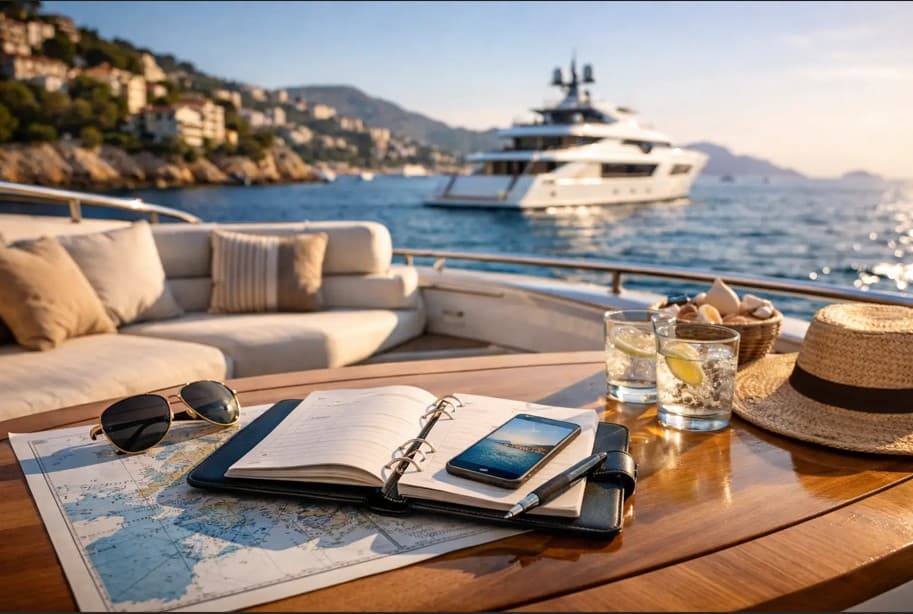
The difference between a good charter and an exceptional one is rarely the headline feature. It is not just the yacht’s length, the sundeck design, or the destination everyone posts about. In private yacht vacation planning, the real value comes from alignment - the right vessel, the right crew, the right pace, and an itinerary built around how you actually want to spend your time.
For some clients, that means a polished family week with calm anchorages, flexible dining, and easy water access. For others, it means a privacy-led corporate retreat, a high-season social itinerary in the Mediterranean, or a quieter long-range escape with space, discretion, and service that anticipates needs before they are voiced. The planning process should reflect that level of precision from the start.
Why private yacht vacation planning matters early
The best yachts, crews, berths, and seasonal windows do not stay available for long. That is especially true in sought-after periods such as summer in the South of France, Ibiza, Greece, or winter demand across the Caribbean and UAE. Waiting too long can narrow the conversation from what fits best to what remains.
Early planning also gives room for better decisions. A family traveling with young children may prioritize stabilization, shaded deck areas, and a gentle cruising itinerary. A group of executives may care more about boarding logistics, formal dining capability, Wi-Fi reliability, and service flow for meetings or hosted evenings. These are not small details added later. They shape which yacht should be considered in the first place.
Private yacht charters operate at the intersection of lifestyle and logistics. A beautiful vessel alone does not guarantee the right experience. The itinerary, port access, crew profile, onboard amenities, and seasonal conditions all need to support the purpose of the trip.
Start with the charter objective, not the yacht brochure
Clients often begin by asking for a destination or a yacht size, but the more useful starting point is the nature of the trip itself. Is this a celebration, a multigenerational holiday, a couples’ itinerary, a business-hosting platform, or a pure escape? Each one suggests a different charter style.
A fast-paced social itinerary works well with a yacht positioned near high-profile beach clubs, marina access, and evening dining. A restorative vacation tends to benefit from longer anchorage time, more generous outdoor lounging, and a route with fewer port changes. A corporate or VIP charter requires a different degree of privacy, timing discipline, and crew discretion.
When the charter objective is clear, selection becomes much sharper. It is easier to choose between a sleek motor yacht built for movement, a sailing yacht that offers a more measured rhythm, or a catamaran that delivers volume and stability. It also helps define what level of crew service, toy inventory, and onboard atmosphere will feel right rather than simply impressive.
Choosing the right yacht for the guest profile
Not every luxury yacht suits every charter party. This is one of the most common mistakes in private yacht vacation planning. A yacht may look spectacular in photos and still be wrong for the guest mix.
Families usually benefit from practical design as much as style. Safe circulation, comfortable cabins, easy swim access, and crew who are experienced with children can matter more than an oversized salon. Couples or smaller adult groups may place more value on intimacy, spa-like finishes, outdoor dining, and quieter anchorages.
For event-led charters, deck flow becomes critical. Entertaining space, guest circulation, sound systems, service access, and the ability to host at anchor or in marina settings should be reviewed carefully. For longer itineraries, fuel efficiency, storage, stabilization, and crew compatibility tend to rise in importance.
This is where professional curation matters. A vessel should not only meet the technical brief. It should also support the tone of the trip.
Destination choice is really a question of rhythm
Clients often ask which destination is best, but the better question is which destination matches their preferred pace. The Mediterranean in peak summer offers glamour, variety, and a strong social calendar, but it can also bring marina pressure, restaurant competition, and a faster booking cycle. That suits some clients perfectly. Others want access to the same standard of luxury with more breathing room.
The Balearics work well for guests who want a blend of nightlife, beach culture, and short cruising distances. The French Riviera is ideal for high-touch service, polished marinas, and event-driven travel. Greece offers strong variety between cosmopolitan stops and quieter island stretches, though route planning should respect distances and weather patterns. The Caribbean is excellent for winter sun and relaxed island movement, but the ideal area depends on whether the priority is beach access, privacy, or social energy.
A well-built itinerary does not try to do too much. Guests often enjoy fewer moves, longer lunches, and more time on the water than an overpacked route filled with transfers. Luxury, in practice, usually feels more spacious than busy.
Timing affects far more than weather
Seasonality influences atmosphere, berth availability, pricing, crew demand, and how destinations function day to day. August in the Western Mediterranean offers visibility and energy, but it also comes with density. Shoulder-season charters can provide a more relaxed cadence, easier reservations, and a stronger sense of privacy, particularly for clients who value quiet sophistication over crowd-led scenes.
Timing also affects the suitability of certain yachts. A vessel with strong air conditioning, shaded exterior zones, and excellent at-anchor comfort may be ideal in peak summer. In transitional months, clients may care more about enclosed dining, route flexibility, and the ability to adapt to changing conditions.
The right timing depends on what kind of luxury you prefer. Some travelers want social momentum. Others want exclusivity that feels understated. Both are valid, but they require different planning choices.
Private yacht vacation planning should include the crew fit
On a private charter, the crew is central to the experience. Guests remember how a trip felt, and that feeling is largely created by the people onboard. Technical competence is assumed. What matters next is service style, discretion, warmth, pacing, and how well the crew matches the client profile.
A highly formal service environment may suit some charter parties and feel stiff to others. Families often appreciate crews who are polished but approachable. Corporate groups may prioritize timing, presentation, and quiet efficiency. Clients celebrating personal milestones may want a crew that can create atmosphere without becoming intrusive.
This is one reason a strong charter brief matters. Food preferences, wellness habits, children’s routines, privacy expectations, dietary needs, and favorite activities all shape the crew’s preparation. The more accurately these details are captured in advance, the more natural the onboard experience becomes.
Budget planning at the luxury level still requires structure
Affluent clients are not looking for shortcuts, but they do expect clarity. Yacht charter pricing should be understood in full context. The charter fee is one part of the picture. Depending on the arrangement, fuel, food and beverage, dockage, local taxes, and special requests may sit outside the base rate.
That does not make the process difficult. It simply means financial planning should be handled with the same care as yacht selection. A realistic brief helps avoid wasted time on vessels that do not match the total spend. It also allows the charter specialist to recommend where investment has the greatest effect, whether that means securing a better crewed yacht, extending the itinerary, or refining the destination choice.
In premium travel, value is not just about price. It is about whether the experience delivered matches the level promised.
What to prepare before confirming a charter
The smoothest bookings usually begin with a concise but thoughtful brief. Guest count, preferred dates, destination range, charter purpose, style preferences, and any non-negotiables should be clear early. If privacy is essential, say so. If watersports matter, include that. If the trip involves a celebration, event hosting, or business guests, that should shape the recommendation process from the outset.
It also helps to be honest about pace. Some clients imagine they want constant movement, then realize they prefer settled afternoons, excellent service, and a strong anchorage more than another port arrival. Others want action every day. Neither approach is better. The itinerary should simply reflect reality rather than fantasy.
Working with an experienced full-service charter partner such as Master Ocean can make this stage more efficient, especially when clients need yacht options, destination guidance, operational coordination, and discretion managed under one standard of service.
The best charters feel effortless because the planning was not
A private yacht vacation should feel personal from the first boarding moment. That level of ease comes from thoughtful preparation, not guesswork. The yacht should fit the guests. The route should fit the mood. The crew should fit the service expectation. And every decision should support the reason for the trip, whether that is privacy, celebration, family time, or high-level hosting.
When private yacht vacation planning is approached with that degree of care, the result is more than a luxury holiday. It becomes time arranged properly - with freedom, comfort, and the rare confidence that every detail is exactly where it should be.
If you are planning a charter, start earlier than you think you need to and be more specific than you think you should. That is usually where exceptional experiences begin.