How to Sell My Yacht in France With Confidence
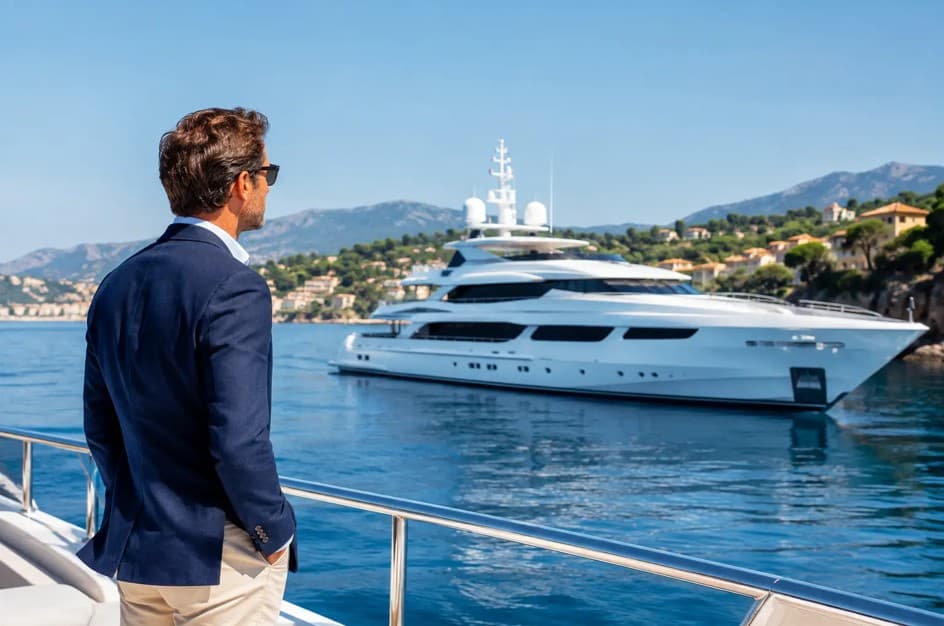
A yacht can look perfectly at home in Antibes, Cannes, or Saint-Tropez and still be difficult to sell. When owners search for ways to sell my yacht in France, the real question is rarely just where to advertise. It is how to position the vessel credibly, reach the right buyers, manage inspections and paperwork, and keep the transaction moving without compromising discretion or value.
France is one of the Mediterranean’s most active yacht markets, supported by established marinas, shipyards, surveyors, captains, brokers, and an international buyer base. That depth creates opportunity, but it also creates competition. Buyers can compare many yachts quickly, especially in popular categories such as sport cruisers, flybridge motor yachts, sailing yachts, catamarans, and larger yachts. A successful sale depends on making the vessel easy to evaluate and commercially compelling from the first viewing.
Sell My Yacht in France: Start With the Market Position
The asking price is not a statement of what the yacht has cost to own, refit, berth, or maintain. It is a market position. Buyers assess comparable vessels by build year, model, condition, engine hours, maintenance history, equipment, VAT status where relevant, location, and the practical cost of bringing the yacht to their intended use.
A well-maintained yacht with a documented refit may justify a stronger position than an apparently similar vessel. Equally, an ambitious asking price can reduce initial interest and leave a listing exposed as it remains on the market. In yachting, time on market is visible. Once a yacht is perceived as stale, buyers often assume there is an unresolved technical, documentation, or pricing issue, whether or not that is true.
A broker should prepare a comparative market assessment rather than rely on a single advertised price. Public listings are useful reference points, but they do not necessarily reveal accepted offers, condition at survey, included tenders or equipment, or the seller’s actual motivation. The right strategy may be to lead the market with a sharp price, hold a defensible premium for an exceptional example, or set a price that leaves room for a structured negotiation. It depends on the vessel, the season, and the owner’s timeline.
Price the Yacht for the Buyer You Want
The buyer for a 40-foot weekend cruiser is not evaluating the purchase in the same way as the buyer for a 30-meter yacht. A recreational buyer may focus on simplicity, service costs, and immediate enjoyment. A larger-yacht buyer may examine crew arrangements, maintenance records, class and survey history, charter configuration, flag, berth options, and upcoming capital expenditure.
Your listing should answer the questions appropriate to that buyer before they need to ask them. Clear information attracts serious interest. Vague claims, incomplete specification sheets, and inconsistent maintenance records invite hesitation.
Prepare the Vessel Before Marketing Begins
Presentation is not limited to detailing. A clean deck, polished stainless steel, fresh upholstery, and organized lockers matter, but serious buyers also look beneath the surface. Engine spaces, bilges, battery installations, navigation equipment, tenders, safety gear, and service documentation all influence confidence.
Before listing, arrange a practical pre-sale review. This is not necessarily a full buyer’s survey, but it should identify visible defects, deferred maintenance, expired safety equipment, cosmetic issues, and systems that need attention. It is usually more efficient to resolve straightforward issues before the first inspection than to negotiate them under pressure after a buyer has commissioned a survey.
For yachts that have had substantial work, collect invoices, refit scopes, warranty information, engine-service reports, and photographs of completed work. Documentation converts maintenance spending into evidence. Without it, a buyer may treat even genuine upgrades as unverified claims.
Professional photography and video are equally commercial tools. France attracts international buyers who may initially assess a yacht from another country. They need accurate exterior images, bright and honest interior views, a clear walk-through video, and material that demonstrates how the boat is configured and maintained. Over-edited imagery can disappoint at viewing. Underwhelming imagery can prevent the viewing from happening at all.
Documentation Can Decide the Pace of the Sale
A yacht transaction can lose momentum when fundamental documents are missing or inconsistent. Assemble the core file early and have it reviewed with the vessel’s circumstances in mind. Depending on the yacht and its registration, this commonly includes proof of ownership, registration documents, builder’s certificate where available, purchase and VAT-related records, bills of sale, deletion documents when applicable, service records, and details of any registered mortgage or lien.
For a French-based yacht, it is also sensible to clarify where the yacht is physically located, under which flag it is registered, and whether its paperwork aligns with the intended transaction structure. Cross-border sales can involve different rules for ownership transfer, registration, taxes, and export. A broker can coordinate the process, but legal and tax questions should be confirmed with appropriately qualified advisers before contracts are signed.
This preparation is particularly valuable when the buyer is based outside France. International buyers want to know that delivery, survey access, sea trial arrangements, escrow handling, and title transfer can be organized in a controlled sequence.
Market Beyond the Local Berth
A yacht berthed on the French Riviera has local visibility, but the best buyer may be in Italy, Spain, Northern Europe, the United States, the Middle East, or elsewhere in the Mediterranean. The sales campaign should therefore be international in reach while remaining disciplined in its messaging.
A strong brokerage campaign combines a detailed central listing with direct broker-to-broker distribution and qualified outreach to known buyer channels. It should present verified facts: make and model, year, dimensions, engine information, inventory, condition, maintenance, location, and asking terms. It should not rely on generic claims about rarity or luxury.
For some yachts, a discreet sale is more appropriate than broad public exposure. Owners of premium yachts may prefer limited circulation to qualified buyers and brokers, especially when the yacht remains in private use. This can protect privacy, but it narrows exposure. The decision should reflect the owner’s priorities, not a standard sales formula.
Manage Viewings Like a Commercial Process
A viewing is not simply a tour of the yacht. It is a decision point. The yacht should be clean, accessible, properly aired, and ready to show. If the vessel is operated by crew, everyone should understand the viewing plan and the points that require clear, factual explanation.
Qualify buyers before committing significant time. A serious prospect should have a realistic budget, a clear intended use, and a workable acquisition timeline. That does not mean excluding first-time owners or buyers who need financing introductions. It means distinguishing genuine prospects from casual interest and organizing each viewing accordingly.
For larger yachts, the sequence often includes an initial inspection, a written offer subject to contract and survey, sea trial arrangements, a survey, negotiation of findings, and closing. Sellers should expect this process and avoid treating a survey as an unexpected challenge. Most used yachts will generate survey points. The commercial question is which items are material, how they should be remedied, and whether a price adjustment is more sensible than delaying the sale.
Choose Representation That Fits the Yacht
A local broker may know the marina and immediate market well. An international brokerage can add wider distribution, co-brokerage relationships, buyer representation, and coordination across several jurisdictions. The right choice depends on the vessel category, price range, location, and required level of discretion.
Before appointing a broker, establish the marketing plan, listing terms, commission structure, reporting rhythm, photography requirements, and authority to negotiate. Ask how buyer qualification will be handled, how offers will be documented, and who will coordinate the survey and closing stages. Clarity early prevents friction later.
Master Ocean supports owners with yacht listing, seller representation, professional presentation, qualified buyer coordination, and transaction support across France and the wider international market. For an owner who also needs maintenance, delivery, survey coordination, or refit work addressed before sale, connecting those services can reduce delay and keep responsibility clear.
Do Not Let the Deal Drift After an Offer
An accepted offer is the start of the closing process, not the finish. Agree the next steps in writing, including deposit arrangements, survey and sea-trial deadlines, the scope of included equipment, and the conditions that must be met before completion.
Keep responses prompt and documentation organized. If a survey raises concerns, obtain realistic quotations and technical advice before reacting. Some findings are normal for a used yacht; others may affect seaworthiness, value, or insurability. A measured response protects the sale better than either dismissing every issue or conceding too quickly.
Selling a yacht in France is most effective when the vessel is prepared, priced against evidence, documented properly, and presented to a genuinely international audience. If you are considering a sale, List Your Yacht with a clear commercial plan and let the condition, records, and presentation support the value you are seeking.