Buying Used Yachts for Sale in Italy Wisely
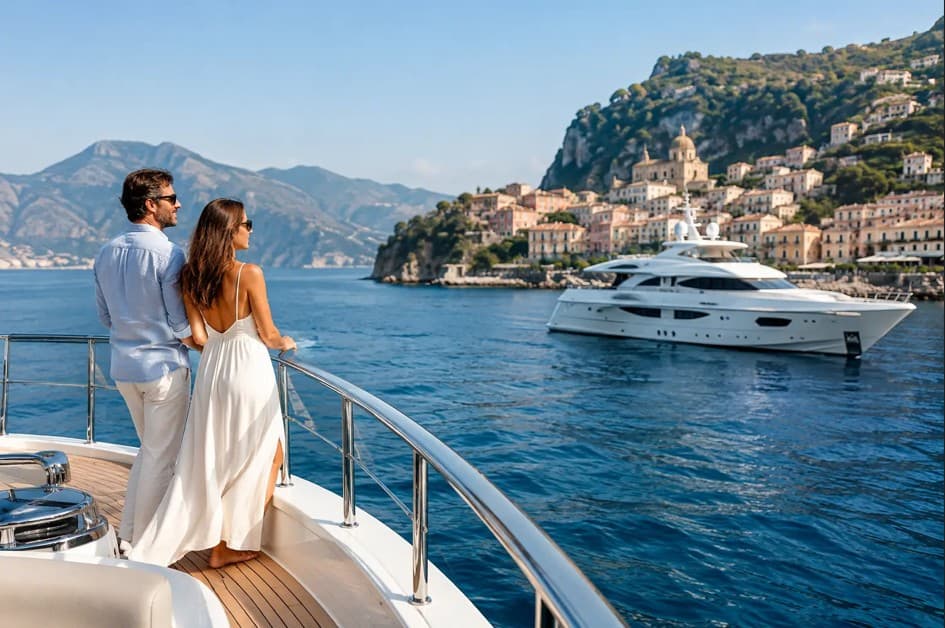
A yacht can look exceptional alongside a Ligurian quay or in a Sardinian marina, yet appearance is only one part of the acquisition decision. The market for used yachts for sale in Italy offers impressive choice across motor yachts, sailing yachts, catamarans, sport cruisers, and larger vessels, often with access to respected Italian design, shipbuilding, refit, and technical expertise. The right purchase, however, depends on disciplined due diligence as much as personal taste.
For international buyers, Italy can be an especially attractive place to acquire a pre-owned yacht because many vessels have been privately maintained in established Mediterranean cruising areas. That does not make every listing a straightforward opportunity. Maintenance standards, usage patterns, berth arrangements, ownership documentation, and the scope of recent work can differ materially from yacht to yacht.
Why Italy Is a Serious Pre-Owned Yacht Market
Italy has a deep and varied yachting ecosystem. From Sanremo and Genoa to La Spezia, Viareggio, Naples, Sardinia, and Sicily, buyers can find vessels suited to weekend coastal use, family cruising, long-range Mediterranean itineraries, charter-oriented ownership, or more ambitious superyacht programs.
The market is particularly relevant for buyers interested in Italian-built motor yachts, open yachts, flybridge yachts, and performance-oriented designs. It is also a practical market for sailing yachts and multihulls, with a wide range of brokerage stock moving through established marinas, shipyards, and service networks.
That depth brings a useful advantage: buyers can compare several credible options rather than allowing one well-presented yacht to dictate the decision. A vessel with a strong asking price may still require major mechanical, cosmetic, or compliance work. Conversely, a higher-priced yacht with current maintenance records, recent technical upgrades, and a transferable berth position may represent the more economical choice over the first years of ownership.
Define the Yacht Around Your Actual Use
The first question is not which brand or length to buy. It is how you expect to use the yacht. A couple planning frequent short trips may prefer an efficient open cruiser or compact flybridge yacht. A family intending to cruise for several weeks at a time may prioritize cabin layout, storage, crew capacity, stabilization, and tender arrangements. For owners who will keep a yacht in one region but charter elsewhere, delivery capability and management support become more relevant.
This is where buyers often overvalue a yacht's exterior profile and undervalue operational practicality. Consider the number of guests you genuinely expect to host, the cruising grounds you will use, whether you require a skipper or crew, and how much time you want to spend managing technical decisions. There is no universally correct yacht type. A 60-foot motor yacht may be ideal for one owner and unnecessarily complex for another, while a sailing yacht may offer a more engaging experience but demand a different approach to operation and maintenance.
Your budget should also extend beyond the purchase figure. Annual costs can include berth fees, insurance, crew, routine service, winter work, cleaning, safety equipment, engine maintenance, fuel, and periodic refit. The condition of the yacht at closing will shape many of those costs immediately.
How to Assess Used Yachts for Sale in Italy
A well-managed viewing process moves from broad suitability to evidence. Begin with the listing information, but do not treat a brochure or photo set as a condition report. Ask focused questions about ownership history, flag, VAT status where relevant, usage, service records, accident or damage history, outstanding finance, and major upgrades.
For a serious candidate, review the available documentation before committing to extensive travel or technical expense. Consistent records can reveal whether the yacht has received planned maintenance or only reactive repairs. They also help identify the age and condition of high-cost items such as engines, generators, electronics, air conditioning systems, watermakers, stabilizers, batteries, and teak decks.
Start With the Hull, Machinery, and Systems
A yacht survey should be independent, proportionate to the vessel, and coordinated with a sea trial. The surveyor's role is not to decide whether you should buy the yacht. It is to establish its material condition, identify deficiencies, and clarify the likely consequences of those findings.
The hull and underwater gear require close attention, particularly where the yacht has spent significant time in the water. Engine-room access, cleanliness, corrosion control, hose condition, wiring standards, bilge condition, and evidence of leaks can say a great deal about ownership practices. On sailing yachts, standing rigging age, sail inventory, mast condition, keel structure, and deck hardware deserve equal scrutiny.
A sea trial provides a different form of evidence. It allows the buyer and technical team to observe starting behavior, engine performance, vibration, steering response, navigation equipment, stabilization systems, and onboard systems under operating conditions. It should not be rushed simply because the vessel performs well at dockside.
Examine Refit Work With Context
Recent refit can be a genuine strength, but the word itself is not a guarantee of quality. Ask what was completed, by whom, when, and whether invoices, warranties, photographs, or technical reports are available. A new interior may improve presentation while leaving original machinery, plumbing, or electrical systems untouched.
The most useful refit history is specific. It distinguishes cosmetic work from mechanical renewal and identifies work still pending. For a larger yacht, it may also be sensible to involve a captain, engineer, or technical manager early in the process, particularly when the purchase is intended to support extensive private cruising or commercial activity.
Documentation, Registration, and VAT Considerations
A yacht transaction should be structured around verified documentation, not assumptions. The required review will depend on the yacht's flag, ownership entity, intended use, buyer profile, and where the vessel will be operated. Typical due diligence may address title, registration, corporate authority, liens or encumbrances, VAT evidence, classification or statutory records where applicable, and inventory confirmation.
VAT is often a central issue for buyers considering a yacht in Europe, but it should never be reduced to a single statement in a listing. The practical position can depend on the vessel's history, ownership structure, location, and intended future operation. Obtain advice from appropriately qualified legal and tax professionals before proceeding, especially where the transaction involves cross-border ownership or a change in commercial use.
The same principle applies to registration and insurance. A buyer should understand what will be needed to register, insure, crew, and operate the yacht before the closing date, rather than discovering operational restrictions after taking title.
Berths Are Part of the Acquisition Decision
In sought-after Italian cruising areas, a berth can be almost as consequential as the yacht itself. It affects convenience, annual operating costs, local service access, and the practical enjoyment of ownership. A yacht that fits your preferred berth and home port may be more useful than a larger alternative that creates recurring logistical complications.
Do not assume that a berth shown in the sales material transfers automatically. Availability, assignment rights, marina rules, vessel dimensions, residency requirements, and contract terms must be confirmed independently. If the yacht is being sold with an existing berth arrangement, establish exactly what is included and what requires separate approval.
Location also affects maintenance planning. Proximity to capable yards, technicians, storage, and delivery support can reduce downtime when the yacht needs attention. This matters for all vessels, but particularly for older yachts whose value proposition rests on a sensible purchase price and a clear plan for upgrades.
Negotiate the Whole Transaction, Not Just the Price
The offer stage is where experienced representation earns its value. Price matters, but so do the survey conditions, deposit terms, delivery date, inventory, berth position, repair obligations, outstanding service work, and the process for resolving material findings.
A survey may reveal issues that justify a price adjustment, repairs before completion, a retention arrangement, or a decision to walk away. The right response depends on the severity of the finding, the availability of comparable yachts, the buyer's timing, and whether the issue affects safety, insurability, reliability, or future resale.
Buyers should avoid treating every survey item as a negotiating weapon. Pre-owned yachts will have defects, wear, and maintenance requirements. The commercial question is whether those items were expected, properly priced, and manageable within the intended ownership plan.
Prepare for Ownership Before Closing
The best handovers begin before the sale completes. Arrange insurance, registration planning, crew or skipper requirements, delivery logistics, berth coordination, initial maintenance, and a realistic first-season budget. If the yacht will be based outside Italy, factor in delivery timing, weather windows, and local support at the destination.
Master Ocean can coordinate yacht acquisition support across the buying process, from initial market selection and viewing strategy to survey coordination, negotiation, delivery, and ongoing technical or management requirements. For buyers comparing several vessels, one organized point of contact helps keep commercial, operational, and documentation priorities aligned.
Request a Yacht when you are ready to define the right type, budget, preferred location, and ownership plan. A targeted brief is more effective than pursuing every attractive listing, and it gives the transaction a clearer route from first viewing to confident handover.
The most rewarding yacht purchase is rarely the fastest one. It is the vessel that has been selected for the way you will actually use it, examined with appropriate technical rigor, and acquired with a practical plan for the seasons that follow.