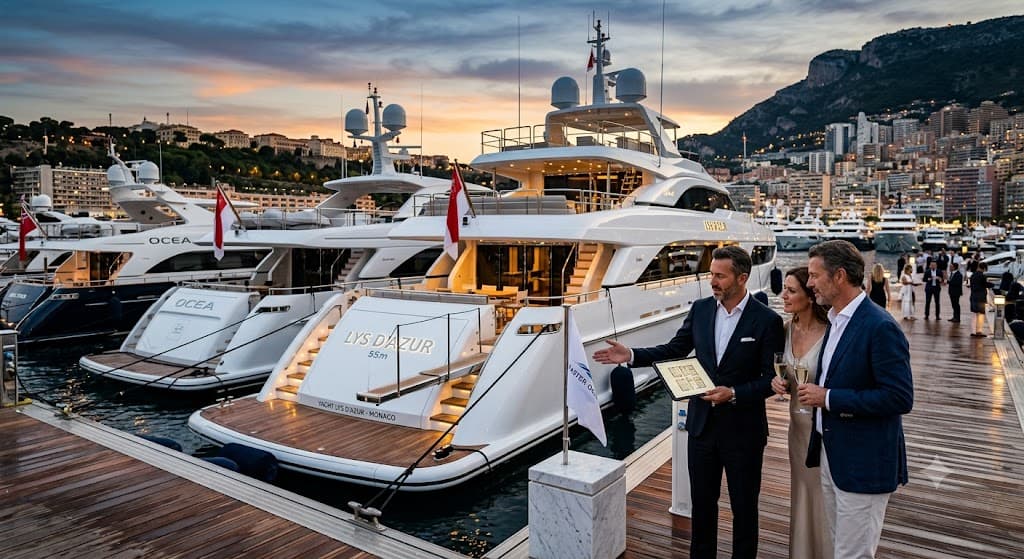
Buy a Yacht in France: The Definitive Buyer’s Guide 2026
The French Riviera remains the undisputed epicenter of global yachting. From the iconic skyline of Monaco to the deep-water superyacht hubs of Antibes and Cannes, the Western Mediterranean commands the highest concentration of luxury vessels, elite crew, and specialized maritime infrastructure in the world.
For serious buyers, purchasing a yacht in France is not simply an acquisition. It is access to one of the world’s most exclusive maritime ecosystems—where lifestyle, mobility, privacy, investment potential, and global prestige converge. Whether your goal is to buy a yacht in Monaco or secure a high-performance catamaran France offers the ultimate stage for Mediterranean yacht ownership.
Navigating this premier market requires deep regulatory fluency, legal precision, and a strategic understanding of French and EU maritime laws. This guide provides the expert guidance necessary to acquire luxury yachts, sailing vessels, and off-market superyachts within France and Monaco with absolute confidence.
The Strategic Yachting Ecosystems of the French Riviera
The French Riviera yacht market operates under unique economic dynamics. In 2026, the market is characterized by a definitive flight to quality. While inventory for standard production boats has stabilized, the demand for pedigree custom builds, meticulously maintained explorer yachts, and high-spec catamarans remains fierce.
France offers three distinct strategic yachting ecosystems that every buyer must understand:
• Antibes and Monaco function as the primary brokerage and acquisition centers, where the highest concentration of premium and off-market opportunities are sourced and negotiated.
• Cannes and Saint-Tropez dominate charter monetization and lifestyle deployment, commanding the highest weekly premiums during major Mediterranean events.
• La Ciotat and Marseille serve as the industrial backbone of ownership, offering some of Europe’s strongest refit, drydock, and engineering capabilities.
Best Cities and Hubs to Buy and Base a Yacht in France
Selecting where to purchase and homeport a vessel dictates your operational success, resale liquidity, and seasonal enjoyment. Each destination along the French coast serves a precise strategic purpose.
Monaco: The Prestige and Status Anchor
Monaco represents the pinnacle of luxury yachting and maritime prestige. While it offers unparalleled security and elite lifestyle integration, berth access in Port Hercules is exceptionally restricted and heavily relationship-driven. It remains the default destination for mega-yachts and owners requiring immediate proximity to the Principality's private banking sector. If you look to buy a yacht in Monaco, establishing local maritime connections is essential.
Antibes: The Global Brokerage Center
Port Vauban in Antibes is the capital for superyacht brokerage and operations in Europe. Antibes is widely considered one of the best locations to buy a yacht in France due to its concentration of brokerage firms, captains, technical specialists, and off-market inventory. Offering deep-water berths like the legendary Quai des Milliardaires, Antibes acts as the central hub for the world’s most experienced captains, premium provisioning networks, and immediate technical support. Partnering with an experienced French Riviera yacht broker here unlocks unparalleled access.
Cannes: The Event and Charter ROI Engine
Cannes, divided between the historic Port de Cannes and the pristine Port Pierre Canto, is the most lucrative launchpad for commercial chartering. Driven by the Cannes Film Festival, the Cannes Yachting Festival, and peak summer tourism, those who choose to buy a yacht in Cannes find their vessels achieve maximum charter visibility and occupancy rates.
Saint-Tropez: Pure Visibility and Lifestyle
The Vieux Port of Saint-Tropez is an exclusive lifestyle enclave. During July and August, securing a stern-to berth next to the iconic waterfront cafes requires long-standing maritime relationships or high-premium short-term arrangements. It is the premier location for high-visibility cruising and elite social networking.
Nice and Marseille: Logistics and Value Alternatives
Nice provides exceptional convenience due to its immediate proximity to the international airport, making it a favored spot for owner-operators. Marseille, along with Port Camargue, offers a practical alternative with deeper value, lower mooring costs, and excellent availability for large sailing yachts and catamaran fleets looking to escape the high density of the Riviera.
French Marina Strategy by Yacht Size
Mooring configuration is a critical element that must be resolved prior to finalizing any vessel acquisition. In the Mediterranean, a berth is premium real estate, and availability is tightly correlated with the vessel's total length overall (LOA).
15 to 25 Meters: Practical Mobility
Owners of vessels in this size category enjoy the highest degree of operational flexibility. Excellent mooring options are available in Cannes, Mandieu-La Napoule, and Port Grimaud. These marinas feature modern amenities tailored for private family cruising and owner-operators who require straightforward docking and secure winterization options.
25 to 40 Meters: The Competitive Tier
This segment faces intense competition for annual berths. While day-use or short-term summer berths can be managed in Cannes and Saint-Tropez through professional yacht managers, securing permanent annual dockage requires a proactive strategy centered around Port Vauban in Antibes or navigating the highly selective waiting lists in Monaco.
40 Meters and Above: Mega-Yacht Infrastructure
For true superyacht France operations, infrastructure limits your choices. Port Hercules in Monaco, Port Vauban in Antibes, and the dedicated technical facilities in La Ciotat are the only locations capable of handling the draft, beam, and electrical power requirements of these massive vessels.
What Type of Yacht Should You Buy in France?
The Mediterranean lifestyle demands different operational capabilities depending on your long-term yachting objectives.
Motor Yachts: Luxury Lifestyle and Maximum Volume
The traditional choice for the French Riviera. High-volume tri-deck motor yachts from pedigree Northern European or Italian shipyards offer the maximum interior square footage per meter. They command the highest weekly charter rates, making them the default asset class for corporate entities and family offices looking to offset operational costs through commercial chartering.
Catamarans: Unmatched Stability and Space
The Mediterranean has seen a significant surge in luxury catamaran acquisitions. Offering radical stability, immense beam widths, and shallow drafts, a luxury catamaran in France offers the ultimate platform for family-focused island-hopping across Corsica and Porquerolles. Their massive deck space also makes them highly attractive on the charter market for clients prioritizing comfort over cruising speed.
Sailing Yachts: Pure Seamanship and Heritage
Performance sailing yachts maintain a dedicated collector base on the French Riviera, driven by the elite regatta circuits such as Les Voiles de Saint-Tropez. These vessels represent timeless maritime heritage and attract buyers who value active seamanship and long-range blue-water cruising capabilities.
Explorer Yachts: Long-Range Autonomy
For owners targeting absolute autonomy, explorer yachts are increasing in market share. Built with displacement steel hulls and massive fuel capacities, these vessels allow owners to base themselves in the South of France for the summer before embarking on transoceanic or high-latitude voyages without technical limitations.
How Experienced Buyers Navigate the Market
Contrary to popular belief, seasoned yacht owners rarely purchase the first yacht they view. The acquisition of a high-value maritime asset is approached with the same thorough discipline as a corporate merger.
Experienced buyers utilize private broker networks rather than public marketplaces, especially when confidentiality is paramount. They look past cosmetic presentation, focusing instead on the underlying technical health of the vessel, the transparency of the ownership history, and the legal validity of the yacht’s tax status.
The Power of Off-Market Yacht Opportunities
The most exclusive transactions in the superyacht sector never appear on public multiple listing services. To protect the privacy of prominent owners and maintain market stability, highly desirable vessels are transacted quietly via confidential broker channels under strict Non-Disclosure Agreements (NDAs).
Expert Insight: Sourcing an off-market vessel requires an established, well-connected advisor who maintains direct communication lines with family offices, shipyard directors, and senior captains. This exclusive access allows buyers to acquire pristine, low-hour vessels before they are exposed to competitive bidding or public depreciation.
Why Buyers Work With a Private Yacht Broker
Attempting to navigate the luxury yacht France market independently exposes a buyer to severe operational and financial risks. Engaging a dedicated advisor provides critical advantages:
• Access to Off-Market Inventory: A significant portion of the finest Mediterranean yachts are sold quietly under NDAs and never appear on public listing websites.
• Negotiation Leverage: Armed with historical transaction data, an experienced broker can negotiate substantial price reductions based on technical realities rather than sentiment.
• Survey Coordination: Managing independent marine surveyors, engineers, and haul-out facilities requires local boots on the ground and professional oversight.
• Legal and Escrow Protection: Ensuring your funds are secure and that the title transfers completely free of hidden maritime liens or debts.
• Berth Sourcing: Leveraging industry networks to secure elusive mooring allocations in high-demand Riviera marinas.
Structural Optimization: VAT, Customs, and Flag Selection
When purchasing a luxury yacht in Europe, the financial and legal engineering is just as critical as the naval architecture. Mishandling EU customs regulations can instantly trigger significant financial liabilities.
Verifying VAT Paid Status
For any yacht operating permanently within French territorial waters under an EU ownership structure, verifying a valid VAT paid status is mandatory. A buyer must never assume a vessel is tax-compliant based on verbal assurances.
A comprehensive audit must verify the original, unredacted VAT commercial invoice or the official customs Importation Document (DAU). If the yacht was imported via historical leasing structures, the entire chain of lease payments leading to the final transfer of title must be thoroughly examined.
Navigating Temporary Admission (TA)
For non-EU residents who wish to keep a foreign-flagged vessel (such as Cayman Islands or Marshall Islands registries) in France for private use, the Temporary Admission registry provides a legal framework to cruise EU waters tax-free.
• The 18-Month Rule: Under Temporary Admission, the vessel can remain within the EU customs territory for a maximum of 18 months without incurring VAT.
• Resetting the Clock: Before the 18-month period expires, the vessel must officially exit EU waters into international territory or a third-country port (such as Montenegro or Gibraltar) to obtain a stamped customs clearance log before re-entering.
• The Private-Use Constraint: Any commercial chartering activity, or the hiring of the vessel to an EU resident while under Temporary Admission, instantly invalidates the customs regime, exposing the owner to a 20% French VAT penalty calculated on the total hull value.
Buying a Yacht for Charter Income: The Investor Perspective
For many owners, registering a yacht commercially to generate charter income is a strategic method to offset annual carrying costs. Utilizing a commercial registration under flags like Malta or the French International Register (RIF) offers substantial fiscal advantages.
Commercial yachts are typically eligible for VAT exemptions on the initial hull acquisition, as well as tax-free fuel and duty-free parts for refit and maintenance works. However, to maintain this status, the yacht must be managed as a genuine commercial business. This requires a dedicated corporate ownership structure, a professional yacht management team, and a minimum number of documented commercial charters per year.
The Best Time to Buy a Yacht in France
Timing the market is an effective strategy to maximize negotiation leverage. The yachting calendar dictates seller motivation and inventory availability.
• September to March (The Autumn and Winter Window): This represents the strongest negotiation window for buyers. Following the major autumn boat shows in Cannes and Monaco, owners looking to upgrade or exit the market list their vessels. Buying during winter allows ample time to complete pre-purchase surveys, negotiate price reductions, and complete any refit work before the Mediterranean season begins in May.
• April to August (The Spring and Summer Peak): Inventory is tighter, and premium prices are common as sellers look to capitalize on the upcoming summer charter season. Buying during this period requires rapid execution and often carries less room for aggressive financial negotiations.
Transactional Mechanics: The Pre-Purchase Survey and Closing
A luxury yacht transaction involves rigorous legal steps designed to mitigate cross-border asset transfer risks.
The MYBA Memorandum of Agreement
The standard framework for Mediterranean transactions is the MYBA (Mediterranean Yacht Broker Association) Memorandum of Agreement. This contract codifies every step of the purchase, protecting both parties by enforcing clear timelines for deposits, inspections, conditional acceptances, and absolute title transfer free from all encumbrances, maritime liens, and debts.
Escrow and AML Compliance
Anti-money laundering (AML) and Know Your Customer (KYC) regulations are strictly enforced. Funds are never transferred directly to a private seller; they must be held in a secure, bonded legal escrow account. Both the buyer’s and seller’s ultimate beneficial owners must undergo comprehensive compliance screening prior to the execution of the final Bill of Sale.
The Technical Survey as a Negotiation Tool
A pre-purchase technical survey is your ultimate risk-mitigation tool. Conducted while the vessel is hauled out of the water, it includes ultrasonic hull gauging, engine oil analysis, electrical grid testing, and a comprehensive sea trial at full RPM. Following the compilation of the surveyor's report, the buyer has the contractual right to accept the vessel, reject it entirely and reclaim their deposit, or negotiate a definitive price reduction based on certified shipyard repair estimates.
The Hidden Costs of Yacht Ownership in France
Experienced owners understand that the purchase price of a yacht represents only the initial capital expenditure. Annual operational costs typically average between 8% and 15% of the vessel’s total market value, depending on usage and complexity.
• Crew Salaries and Compliance: Elite crew demand premium compensation. In France, compliance with local maritime labor laws (Code des Transports) adds specific social contribution liabilities if crew members are French residents.
• Insurance Underwriting: Premium Protection and Indemnity (P&I) and Hull & Machinery insurance policies require strict crew vetting, defined cruising areas, and verified winterization plans before underwriting coverage in Western European waters.
• Class and Statutory Surveys: Every five years, classification societies such as Lloyd’s Register, RINA, or Bureau Veritas require rigorous structural, machinery, and shaft surveys to maintain the vessel's safety and commercial certifications.
How to Avoid Costly Mistakes: The Buyer’s Checklist
To safeguard your capital and ensure a smooth acquisition process, avoid these common transactional pitfalls:
• Skipping the Technical Survey: Never rely solely on high-resolution photos, videos, or historical maintenance logs. An independent, certified survey is non-negotiable.
• Ignoring the Berth Strategy: Purchasing a yacht without a verified summer mooring spot or winter shipyard slot can leave you stranded in international waters or facing exorbitant short-term docking fees.
• Failing to Verify VAT Documentation: An incomplete VAT chain can result in seizure by French customs or a 20% tax penalty upon entering EU waters.
• Selecting the Wrong Flag: Choosing a flag registry that does not align with your residence, charter intentions, or cruising area can complicate your tax status and crew hiring capabilities.
• Underestimating Refit Budgets: A vessel priced below market value often carries deferred maintenance costs that far exceed the initial acquisition discount.
Master Ocean Private Yacht Advisory
Acquiring a high-value maritime asset demands absolute market intelligence, complete discretion, and flawless execution. Master Ocean acts exclusively as a buyer’s advisor, providing private yacht advisory guidance through every phase of the acquisition lifecycle.
Our tailored services encompass confidential off-market sourcing, comprehensive VAT and ownership due diligence, corporate and flag structuring, independent technical survey management, and long-term post-purchase yacht management. By aligning with elite maritime legal advisors and senior surveyors, Master Ocean ensures your long-term ownership strategy is fully secured and optimized.
Frequently Asked Questions
Is France a good country to buy a yacht?
France is widely considered one of the best countries in Europe to buy a yacht due to its mature brokerage ecosystem, world-class marinas, strong legal framework, premium refit facilities, and immediate access to the Mediterranean cruising lifestyle.
Can foreigners legally buy a yacht in France?
Yes. Foreign nationals and non-EU corporations can freely purchase yachts in France. The transaction is typically structured through a corporate entity (such as a Maltese or Marshall Islands corporate structure) to optimize asset protection, tax exposure, and operational efficiency.
Is VAT mandatory when buying a yacht in France?
VAT is mandatory if the yacht is owned by an EU resident or an EU entity and is used privately within EU waters. However, non-EU residents can utilize the Temporary Admission structure to cruise privately tax-free for up to 18 months. Alternatively, qualifying commercial charter vessels can achieve VAT exemptions on acquisition and operation.
What is the best marina in France to homeport a superyacht?
Port Vauban in Antibes is widely considered the premier homeport for superyachts due to its deep-water capacity, specialized superyacht infrastructure, and status as the central brokerage and crew hub of the Mediterranean.
How much does it cost to maintain a yacht annually in the French Riviera?
Annual operating expenses generally range between 8% and 15% of the yacht’s market value. This budget covers professional crew salaries, marina berth fees, fuel, comprehensive insurance policies, annual shipyard maintenance, and mandatory classification surveys.
Can I buy a yacht through a corporate structure?
Yes. In fact, the majority of luxury yachts are held within specialized corporate structures or asset-holding companies. This protects the owner’s private liability, streamlines potential future resale of the shares, and allows for the implementation of commercial charter frameworks.
Which flag registry is best for a yacht based in France?
The optimal flag depends on your residency and usage profile. For commercial charter operations within Europe, Malta or the French International Register (RIF) are highly effective. For private, confidential worldwide cruising under Temporary Admission, offshore registries such as the Cayman Islands or Marshall Islands are the industry standards.
Can I charter out my yacht in France to offset operating expenses?
Yes. To legally offer your yacht for charter in French waters, the vessel must be registered commercially, comply with international safety codes (such as the REG Code), and be imported via an authorized commercial VAT structure. A professional yacht management company must handle local charter VAT reporting and commercial contracts.
Whether you are acquiring your first yacht, upgrading to a superyacht, or seeking a confidential off-market opportunity, navigating the French yacht market requires local expertise, strategic planning, and trusted maritime relationships. Master Ocean provides tailored yacht acquisition support across Monaco, Antibes, Cannes, Saint-Tropez, and the wider Mediterranean market.