The phrase yachts for sale under 100k attracts two very different buyers. One is looking for a smart entry into yacht ownership. The other is hoping to find a bargain that looks far better on paper than it will in the yard. The difference between those outcomes usually comes down to expectations, vessel selection, and how disciplined you are before closing.
At this price point, the market can be surprisingly active. You are not shopping for a late-model superyacht tender package or a turnkey Mediterranean charter platform. You are usually looking at older sailing yachts, smaller motor yachts, classic cruisers, coastal trawlers, or catamarans with age, character, and a maintenance history that matters as much as the listing price. For the right buyer, that can still represent excellent value.
What yachts for sale under 100k really look like
A budget under $100,000 can open the door to genuine yacht ownership, but it does not buy perfection. In most cases, you will be considering vessels that are 15 to 35 years old, sometimes older if the design has held value or the yacht has been extensively upgraded. Condition varies dramatically.
Sailing yachts often present the strongest value in this range. A well-built monohull from a respected production or semi-custom yard may offer solid offshore capability, practical accommodations, and manageable operating costs. Smaller catamarans do appear, but inventory can be tighter and condition becomes even more important because structural and systems work can become expensive quickly.
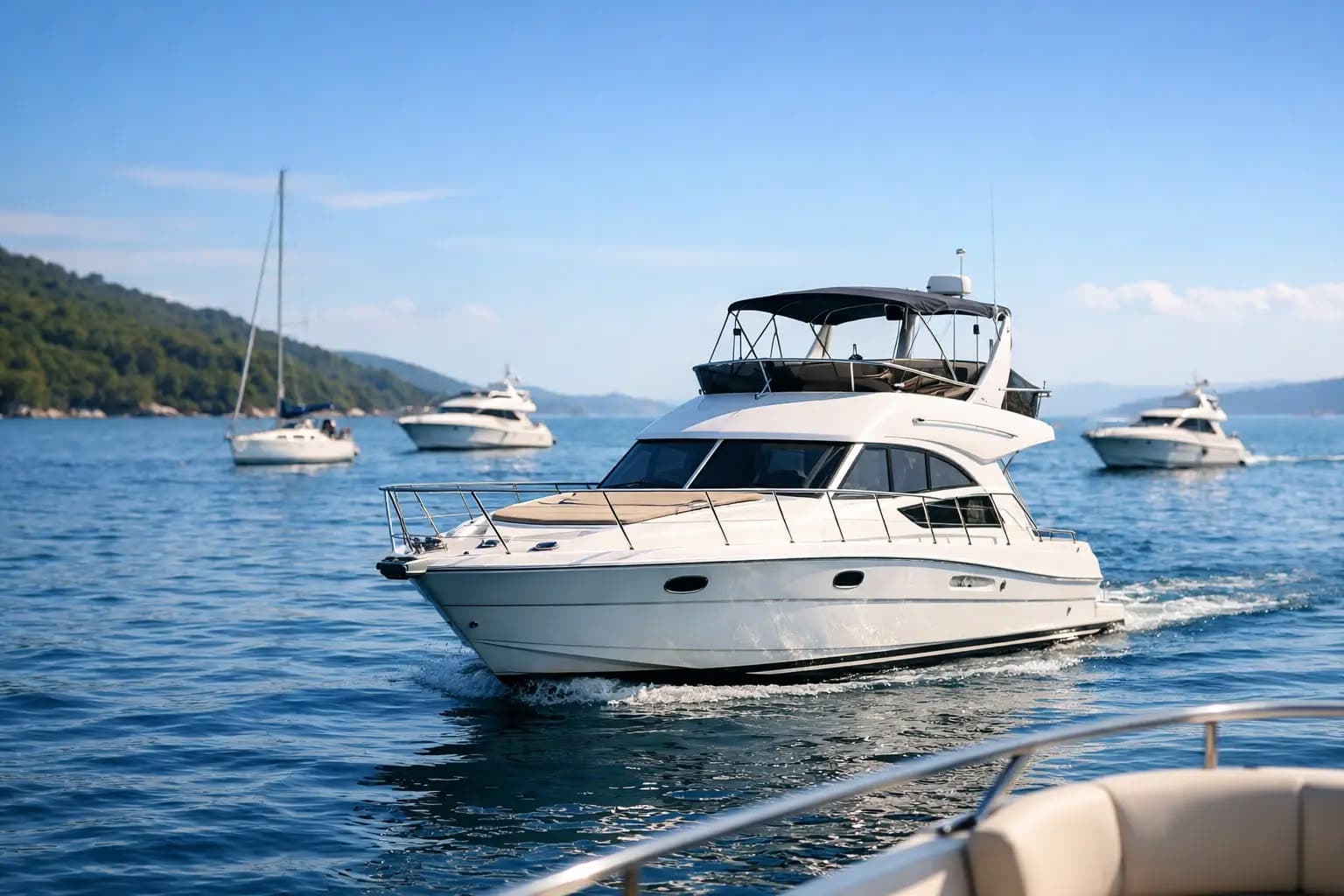
Motor yachts under $100,000 tend to involve more compromise. You may find older express cruisers, aft-cabin motor yachts, compact flybridge models, or classic trawler-style vessels. Space can be generous for the price, but engine hours, generator condition, tank integrity, and deferred maintenance will shape the real cost of ownership more than the headline number.
That is why experienced buyers do not ask only, “What can I buy for $100,000?” They ask, “What can I buy for $100,000 and own comfortably for the next three years?”
Best yacht categories in this budget
The most practical choice depends on how you plan to use the vessel.
Sailing yachts
If your priority is weekend cruising, coastal passages, or even selective bluewater use, sailing yachts are often the strongest category in this price band. They typically deliver more range with lower fuel expense, and many older hulls were built with impressive durability. The trade-off is that rigging, sails, deck hardware, and moisture intrusion around core structures must be checked carefully.
A buyer who accepts a slightly older interior and focuses on hull quality, sail plan, and equipment history can do very well here.
Smaller motor yachts and cruisers
For buyers who want comfort, quick departures, and less reliance on wind or sail handling, smaller motor yachts may be the right fit. They suit short cruising schedules, entertaining, and marina-based use. The challenge is operating cost. Engines, transmissions, generators, and air conditioning systems can quickly turn a low purchase price into a costly ownership cycle.
An older motor yacht that has been professionally maintained can still be a better investment than a cheaper vessel with cosmetic appeal and weak mechanical records.
Trawlers and displacement cruisers
This is one of the more interesting segments under $100,000. Older trawlers often appeal to buyers who value livability, long-range efficiency, and practical layouts over speed. Many of these boats were designed for serious cruising, and if maintained correctly, they can offer a refined ownership experience without the fuel appetite of faster planing hulls.
The key word is maintained. Structural aging, electrical updates, plumbing, and diesel engine care matter here.
Where buyers misread the value
The most common mistake in the under-$100,000 market is confusing affordability with low cost. The purchase price is only the first number.
A yacht listed at $89,000 may need $25,000 in immediate work. Another listed at $99,500 may already have updated electronics, recent bottom service, newer canvas, a documented engine program, and compliant safety equipment. On the surface, both fit the same search. In practice, they are very different opportunities.
Cosmetic upgrades are often overvalued by first-time buyers. New upholstery and polished teak can make a yacht feel more expensive than it is. But core ownership costs usually come from the less visible areas: engines, wiring, rigging, tanks, pumps, steering systems, through-hulls, and hull moisture.
This is where brokerage guidance becomes valuable. A premium listing process should not simply present attractive photos. It should help buyers separate cosmetic presentation from real vessel quality.
How to evaluate yachts for sale under 100k
A disciplined buying process matters more in this market than almost any other.
Start with the mission, not the listing
Before viewing inventory, define how the yacht will be used. Day cruising, coastal weekends, liveaboard use, seasonal family trips, or owner-operated passage making all call for different layouts and systems. Buyers who skip this step tend to chase price instead of suitability.
Review maintenance history early
A complete service file is not a luxury. It is often the clearest sign of whether a yacht has been cared for or simply kept afloat. Look for haul-out history, engine servicing, rig inspections if applicable, electronics replacements, tank work, and records of any major refits.
Budget for a serious survey
On a yacht under $100,000, some buyers hesitate to spend meaningfully on due diligence. That is usually a mistake. A proper marine survey and, where relevant, engine inspection can save far more than they cost. Survey findings also create leverage for renegotiation or a clear reason to walk away.
Expect immediate post-purchase spending
Even a good yacht often needs work after closing. Safety gear, minor repairs, updating navigation electronics, soft goods, haul-out service, and registration costs can add up quickly. A prudent buyer usually holds back a reserve rather than spending the full budget on the sale price alone.
What makes a good buy in this segment
A good buy is rarely the newest-looking yacht. It is the yacht with the best balance of pedigree, care, and fit for purpose.
Well-regarded builders tend to hold interest because hull design, construction quality, and owner communities remain stronger over time. That does not mean every premium badge guarantees value. Some older brands are expensive to restore precisely because they were ambitious in their original specification. Others remain attractive because parts availability, service familiarity, and straightforward systems make them easier to own.
The ideal yacht in this range usually has realistic cosmetics, honest records, and one or two manageable upgrade needs rather than six neglected major systems. Buyers who accept that formula often end up with a vessel they can actually enjoy.
Who this price point suits best
This market works particularly well for buyers entering yacht ownership with clear expectations, for seasoned boaters who know how to identify value, and for investors or operators seeking a refit candidate with upside. It can also suit clients who want a secondary vessel in a different cruising region without committing to a much larger capital outlay.
It is less suitable for buyers expecting a fully modern luxury product with no compromises. Under $100,000, age and trade-offs are part of the landscape. The goal is not to avoid them entirely. The goal is to choose the right compromises.
For clients navigating global inventory, a full-service brokerage such as Master Ocean can add structure to that search by aligning vessel options with intended use, geography, and after-sale support requirements. That becomes especially useful when listings appear attractive but the ownership reality is less polished.
A smarter way to shop this market
The under-$100,000 category rewards calm judgment. It is easy to be drawn toward oversized interiors, dramatic listing photos, or a seller promising that only “minor items” remain. The better approach is quieter and more strategic. Focus on hull quality, maintenance discipline, mechanical truth, and whether the yacht fits the way you will actually use it.
There are genuine opportunities among yachts for sale under 100k. Some offer a credible entry into long-term ownership. Others offer a platform worth improving over time. The buyers who succeed are usually the ones who treat value as a combination of price, condition, and future control over costs.
A well-bought yacht at this level can still deliver the part that matters most - time on the water with confidence, not surprises at the dock.