Yachts for Sale in France for Serious Buyers
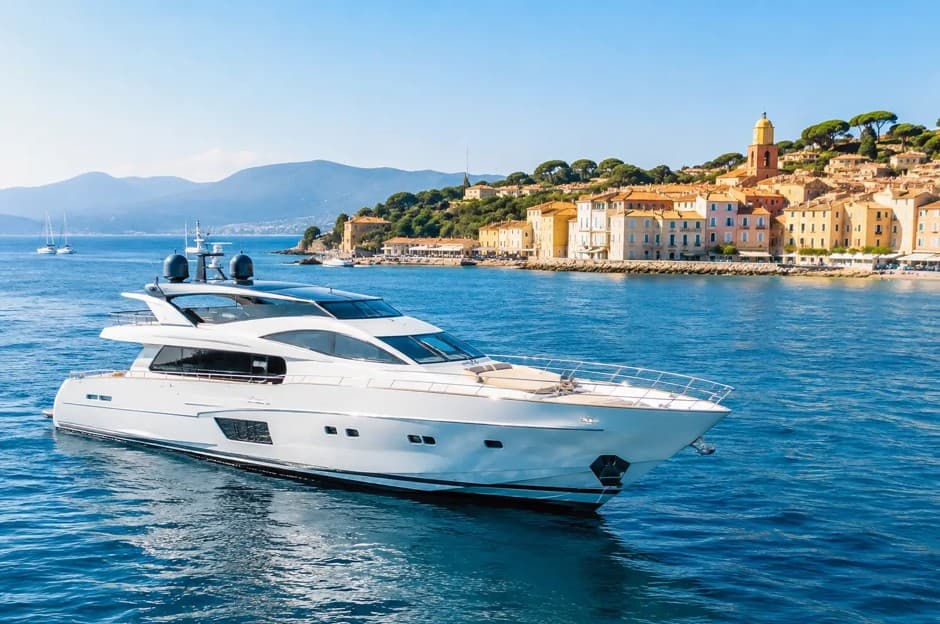
France is one of the most practical places in the Mediterranean to begin a yacht search, but the best yachts for sale in France are not always the ones presented with the strongest photography or the lowest asking price. A sound acquisition comes from matching the vessel to the way you will actually use it, then verifying its condition, documentation, operating profile, and delivery implications before committing.
For a buyer based in the United States or operating internationally, France offers access to a broad cross-section of the market. The French Riviera remains a focal point for premium motor yachts, while ports along the Atlantic coast, Brittany, the Mediterranean, and major brokerage centers can present strong opportunities in sailing yachts, catamarans, sport cruisers, and owner-operated boats. The key is to assess each opportunity as a transaction, not simply as a destination purchase.
Why France Remains a Serious Yacht-Buying Market
France has a deep maritime culture, an established network of shipyards, service providers, marinas, surveyors, and experienced captains, and a considerable inventory that moves through both public listings and broker networks. Buyers can find recent production yachts, well-maintained pre-owned vessels, refit candidates, and larger yachts offered discreetly through professional channels.
The market is especially relevant for buyers comparing several yacht categories. A family seeking a 40- to 60-foot cruising yacht may find a compelling selection of flybridge motor yachts, performance cruisers, and multihulls. A more experienced owner may be focused on a larger yacht with crew capability, a strong charter history, or a platform suitable for a substantial refit. These are different searches, and they require different due diligence.
Location affects more than convenience. A yacht based near Cannes, Antibes, or La Ciotat may have access to a dense concentration of technical support and seasonal cruising grounds. A vessel on the Atlantic coast may better suit a buyer with offshore sailing plans or a preference for a different cruising profile. The right base depends on intended use, annual operating plans, and whether the yacht will remain in Europe, cross the Atlantic, or be delivered elsewhere.
How to Compare Yachts for Sale in France
The asking price is only the starting point. Two yachts of the same model and year can have materially different values because of maintenance standards, engine hours, machinery updates, ownership history, equipment, berth arrangements, and the quality of the vessel’s records.
Begin by defining the non-negotiables. These might include the number of cabins, draft, cruising speed, crew requirements, range, tender capacity, or suitability for children and guests. For sailing yachts, rig condition, sail inventory, deck hardware, and keel history may be central to the decision. For motor yachts, buyers should look closely at propulsion systems, stabilizers, generators, air conditioning, electronics, and the service history behind each major component.
A practical shortlist should distinguish between a yacht that is ready to use and a yacht that is priced to accommodate work. Neither is automatically the better purchase. A lower-priced yacht can be attractive when the buyer has time, a clearly scoped refit budget, and access to capable technical coordination. It can become expensive when deferred maintenance has not been properly identified or when the owner expects immediate cruising without allowing for shipyard time.
Look Beyond Cosmetic Presentation
Fresh detailing, new upholstery, and polished exterior surfaces can improve first impressions, but they do not replace a technical review. Request maintenance records, invoices for major works, engine-service documentation, class or flag records where applicable, and evidence of recurring maintenance. A well-kept file usually indicates a more disciplined ownership approach, though it must still be verified.
Pay particular attention to work that is approaching rather than work that has already been completed. A recent engine service is useful, but it does not answer whether exhaust systems, batteries, pumps, hoses, navigation equipment, or teak decking may require attention next season. The objective is to understand the yacht’s likely capital requirements after closing.
Treat the Survey as a Decision Tool
An independent pre-purchase survey is one of the most valuable stages of the acquisition process. Depending on the yacht, the scope may include a condition survey, machinery inspection, sea trial, haul-out, moisture readings, and review of safety equipment and onboard systems. The surveyor should be selected for the vessel type and complexity, not simply for availability.
A survey report does not necessarily mean a buyer should walk away when defects are identified. Most used yachts will have findings. The commercial question is whether those findings are proportionate to the price, whether they can be remedied within an acceptable timeframe, and whether they reveal a pattern of neglected ownership. Material findings can also support a renegotiation, a repair condition before completion, or a decision to continue the search.
Documentation, Registration, and Transaction Structure
A French-based yacht may be registered under France, another European flag, or a non-European jurisdiction. Registration alone does not determine whether the yacht is right for you, but its documentation must be reviewed carefully. The buyer needs a clear understanding of title, ownership chain, liens or encumbrances, VAT status where relevant, corporate ownership arrangements, and the authority of the party selling the yacht.
For an international buyer, the eventual ownership and operating structure should be considered before an offer is made. Will the yacht be privately owned, held through a company, or used partly for charter? Where will it be kept, and where will it primarily operate? These questions can affect the advice needed from maritime, tax, insurance, and registration professionals. They should be addressed with qualified advisors for the buyer’s individual circumstances rather than handled through assumptions.
The purchase agreement should clearly set out deposit handling, survey rights, acceptance conditions, inventory, closing mechanics, and delivery terms. A complete inventory is particularly important. Tenders, water toys, loose equipment, spare parts, tools, artwork, and personal items can create confusion if they are not expressly included or excluded.
Berthing Is Part of the Purchase Decision
In high-demand Mediterranean locations, a berth can be as operationally significant as the yacht itself. Do not assume that a berth is transferable with the vessel, that it can be rented on the same terms after purchase, or that a marina will accommodate a larger yacht at short notice. Availability, contract terms, transfer rights, and annual costs need separate verification.
For some owners, a French home berth provides excellent access to the Riviera, Corsica, Sardinia, Italy, Spain, and the wider Mediterranean. For others, it may make more sense to buy in France and reposition the yacht to another base after closing. Delivery planning should account for crew, insurance requirements, weather windows, fuel, technical stops, and any works scheduled before departure.
Budget for Ownership, Not Only the Purchase
The purchase price is the most visible number, but ownership is a continuing operational commitment. Annual costs vary substantially by yacht type, age, location, crew model, and usage. Common categories include insurance, berth or storage, maintenance, winterization, haul-out, cleaning, fuel, crew, management, compliance, and contingency work.
A newer yacht may reduce near-term technical uncertainty but can still carry substantial marina, crew, insurance, and operating costs. An older yacht may offer more space or pedigree for the money, but its annual maintenance reserve should be assessed with greater caution. Buyers considering charter use should also avoid treating projected charter income as a certainty. Demand, operating restrictions, crew, positioning, marketing, maintenance, and brokerage costs all influence the outcome.
The most effective approach is to prepare a first-year ownership budget before making a final offer. This turns a desirable listing into a realistic decision and helps avoid reducing maintenance or safety spending after completion.
When Professional Buyer Representation Adds Value
A broker’s role should extend beyond presenting listings. Proper buyer representation includes clarifying the brief, screening suitable yachts, coordinating inspections and surveys, reviewing commercial information, managing negotiations, and helping organize the path from offer to handover. It is especially valuable when the buyer is abroad, comparing yachts in several countries, or acquiring a vessel that requires refit, crew, management, or delivery coordination.
Master Ocean supports buyers across the acquisition process, from initial market search and co-brokerage access to survey coordination, delivery planning, technical services, and ongoing ownership support. For a first-time buyer, that can mean practical guidance through unfamiliar steps. For an experienced owner, it can mean one accountable point of coordination across a complex international transaction.
Before you make an offer, request the available records, confirm what is included, establish the survey scope, and test the total ownership budget against your actual plans. Then request a yacht search or discuss your project with a broker who can assess the vessel and the transaction with equal care. The right yacht in France is not simply the one that looks ready at the dock - it is the one that remains appropriate, supportable, and enjoyable once the purchase is complete.