Yacht Winter Maintenance That Protects Value
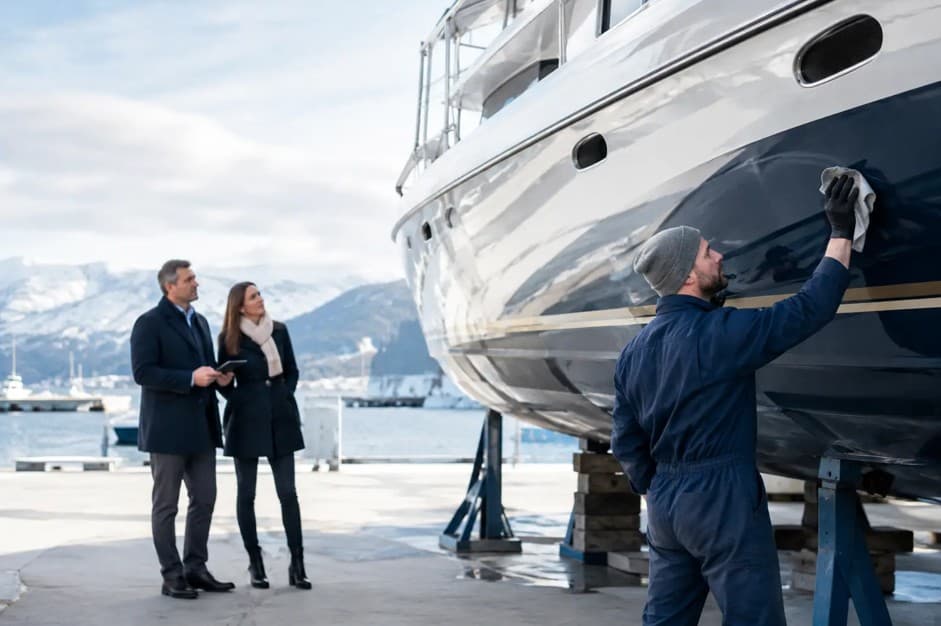
A yacht rarely suffers most from one dramatic winter event. More often, value is eroded by a small freshwater leak, a weak battery bank, stale fuel, trapped moisture, or a missed inspection that turns into a spring repair. Proper yacht winter maintenance is therefore not simply a seasonal checklist. It is a controlled lay-up program that protects the vessel, preserves operational readiness, and creates a credible maintenance record for future buyers, surveyors, insurers, and charter managers.
For an owner keeping a 30-foot cruiser ashore, the priorities may be freeze protection and cover ventilation. For a Mediterranean motor yacht remaining afloat, the program may center on machinery preservation, dehumidification, shore-power monitoring, and berth inspections. The principle is the same: match the work to the yacht’s location, systems, planned use, and period out of service.
Start With a Winter Maintenance Plan
The best time to plan winter work is before the yacht is quiet at the dock. Establish whether the vessel will be hauled, stored afloat, moved to a shipyard, or kept available for periodic use. That decision affects antifouling, hull access, fire protection, security, engine preparation, and the frequency of onboard checks.
A written scope should identify the person responsible for inspections, the expected inspection interval, the shore-power arrangement, emergency contacts, and any systems that must remain live. It should also distinguish between essential work and discretionary refit items. A worn bilge pump hose is an operational priority. Reupholstery or cosmetic detailing can often be scheduled around technical work, subject to budget and yard access.
Owners should avoid treating a winter lay-up as a period of zero cost. Deferring routine service may appear economical, but unplanned spring repairs can affect cruising dates, charter commitments, sale preparation, and negotiating leverage. The more complex the yacht, the more useful it is to coordinate technical management around a single documented scope rather than authorizing isolated jobs as issues emerge.
Protect Engines, Generators, and Fuel Systems
Machinery preservation deserves early attention. Diesel engines and generators that will stand unused need to be prepared according to manufacturer guidance and the equipment’s actual operating profile. This can include changing lubricants and filters, checking coolant condition, inspecting belts and hoses, treating fuel where appropriate, and protecting raw-water circuits in freezing conditions.
The correct approach depends on climate. In a location where hard freezes are possible, raw-water systems, deck showers, air-conditioning circuits, ice makers, and other water-bearing equipment require particular care. In temperate Mediterranean ports, freezing may be less likely, but corrosion, inactivity, and water ingress remain material risks. A yacht kept afloat through winter should not be assumed safe merely because daytime temperatures are mild.
Fuel is another area where shortcuts create difficult spring starts. Water contamination, microbial growth, and neglected filters can compromise reliability. Tank condition, fuel age, and expected idle time should guide the service decision. If there is any doubt about contamination, investigate before the yacht is needed rather than relying on additives alone.
Battery banks should be tested under load, not judged only by a charger display. Confirm charging settings for the battery type, inspect connections for heat or corrosion, and check that battery compartments are clean, dry, and adequately ventilated. Where shore power is connected, verify that the cable, pedestal connection, galvanic protection, and onboard charging equipment are all in sound condition.
Keep Water Outside and Moisture Under Control
Winter weather exposes the difference between a yacht that looks clean and one that is properly maintained. Inspect hatches, portlights, windshields, deck fittings, chainplates, rails, vents, canvas fastenings, and locker seals. Water can travel a considerable distance from its entry point, particularly behind interior panels and within headliners.
Inside the yacht, the target is stable, controlled humidity rather than excessive heat. Dehumidifiers can be effective when correctly installed and monitored, but they are not a substitute for solving leaks or providing sensible ventilation. Leave lockers arranged so air can circulate, open cushions where practical, and avoid storing damp linens, towels, or safety gear in enclosed compartments.
Pay special attention to bilges, lazarettes, machinery spaces, and tender garages. Clear debris from drains and scuppers, test automatic bilge-pump operation, and inspect float switches as well as pumps. A dry-looking bilge on one visit does not confirm that the system will perform during a prolonged storm or power interruption.
For yachts stored ashore, covers must protect without trapping condensation or abrading paint, gelcoat, or brightwork. A poorly fitted cover can create more damage than it prevents. Support structures, drainage paths, ventilation openings, and chafe points should be reviewed after the first heavy weather, not only when the yacht is launched.
Treat Hull, Deck, and Exterior Finishes as Asset Protection
A winter haul-out is often the most efficient opportunity to inspect the underwater body, propellers, shafts, rudders, thrusters, anodes, transducers, and through-hulls. Photograph condition before work begins and keep invoices for antifouling, anode replacement, corrosion treatment, and any repair findings. This evidence is useful in maintenance planning and adds credibility when a yacht is prepared for sale.
Antifouling selection should reflect the yacht’s cruising pattern, local fouling conditions, and anticipated launch date. There is little value in applying a coating without considering whether the boat will sit unused for months, cruise heavily, or move between different waters. The same applies to propeller coatings and running-gear treatments.
Above the waterline, clean salt deposits from stainless steel, glazing, canvas, and painted surfaces before they become more difficult to remove. Teak decks need measured care. Aggressive cleaning can reduce the life of the timber by removing material unnecessarily, while neglected seams and fastenings can allow moisture below deck. Where deck condition is uncertain, a focused inspection is preferable to cosmetic work that conceals a developing problem.
Do Not Neglect Safety, Electronics, and Plumbing
Winter is an efficient time to review equipment that is easy to overlook during the season. Test navigation lights, bilge alarms, fire detection, gas systems, emergency pumps, navigation electronics, communications equipment, and onboard security systems. Check expiration dates and service requirements for life rafts, extinguishers, flares, EPIRBs, and medical equipment as applicable to the yacht and its operating area.
Plumbing requires more than emptying obvious tanks. Freshwater lines, water heaters, pumps, toilets, gray-water systems, and deck wash connections all need a deliberate winterization plan where freezing is possible. For yachts remaining in service, inspect for leaks, odors, pump cycling, and blocked filters instead. The right choice depends on whether the yacht is truly laid up or expected to be used between weather windows.
Electronics benefit from dry, stable conditions and periodic checks. Update records of installed equipment, back up configuration data where possible, and note any intermittent faults while they can still be diagnosed without pressure from an imminent departure.
Document the Work for Operations and Resale
A disciplined record is one of the most valuable outcomes of yacht winter maintenance. Keep dated inspection reports, photographs, service invoices, equipment readings, and notes on parts ordered or recommendations deferred. Captains and managers can use this record to plan commissioning. Prospective buyers can see evidence of responsible ownership rather than receiving a broad assurance that the yacht has been “maintained.”
This documentation also supports better commercial decisions. Before listing, an owner can address visible defects and explain completed work with confidence. Before buying, a purchaser reviewing maintenance records can identify recurring problems, gaps in service history, and likely near-term expenditure. Records do not replace a professional survey, but they make due diligence more informed.
Plan Spring Commissioning Before Winter Ends
Commissioning should not begin with a rushed attempt to meet the first attractive weather forecast. Several weeks before launch or intended use, confirm service completion, outstanding parts, insurance requirements, berth arrangements, and sea-trial needs. Reinstall safety equipment, test machinery under load, inspect seacocks and alarms, and verify that navigation and communication systems are ready for operation.
For owners planning a sale, charter season, delivery, or substantial refit, winter is the moment to define the scope and sequencing. Technical work, detailing, photography, and marketing preparation are more effective when they are coordinated rather than compressed into the final days before a deadline.
A well-maintained yacht enters spring with fewer surprises and a clearer operating position. If your vessel needs a tailored lay-up, repair, or commissioning scope, discuss the project early so the work can be scheduled around location, access, and the season ahead.