Yacht Technical Management France: What Owners Need
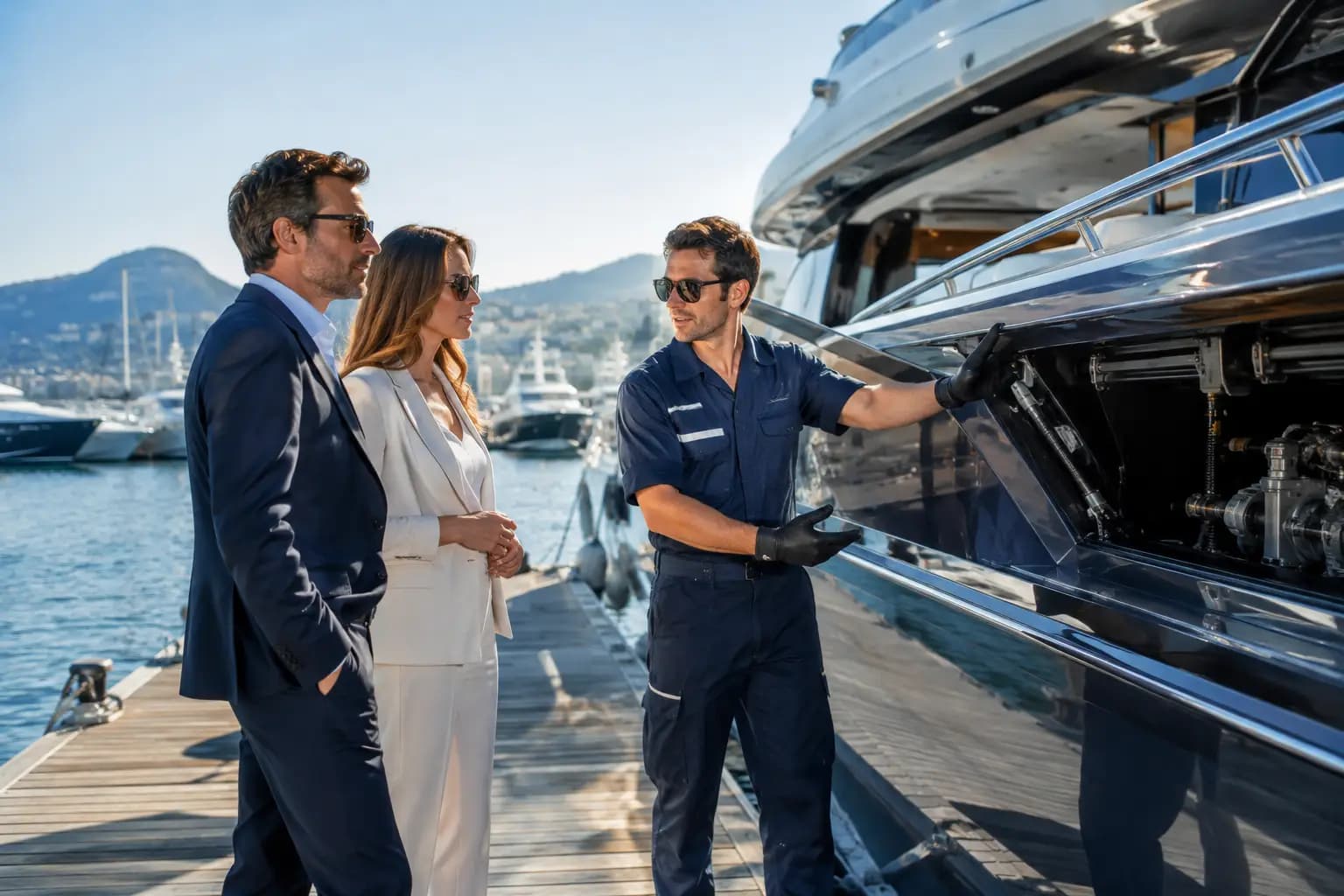
A yacht can look immaculate on the quay and still carry a growing technical liability below deck. Yacht technical management France is the discipline that turns maintenance, crew reporting, contractor coordination, and capital planning into a controlled ownership program rather than a series of expensive reactions.
For owners based in the French Riviera or operating between Cannes, Antibes, Saint-Tropez, Marseille, and the wider Mediterranean, the issue is not simply finding a technician when something fails. It is establishing a clear technical standard, knowing what work is necessary, verifying how it is completed, and preserving a reliable record for future use, charter, survey, or sale.
Why yacht technical management in France needs a plan
France offers excellent infrastructure for yachts of many sizes, from local marine trades serving recreational boats to major refit capability around the Riviera and La Ciotat. That access is valuable, but it can also create an ownership problem: several contractors may be involved across engines, generators, air conditioning, electrical systems, hydraulics, paint, teak, and interior works. Without one technical overview, scopes can overlap, costs can drift, and small defects can remain unresolved between visits.
A technical management program creates accountability. It starts with the vessel's actual condition, operating profile, age, equipment, crew structure, and planned cruising area. A lightly used 45-foot motor yacht in Antibes needs a different approach from a sailing yacht completing long Mediterranean passages or a larger yacht preparing for summer charter activity.
The best plan is therefore not a fixed checklist applied to every yacht. It is a calendar and budget built around the owner’s use of the vessel, manufacturer intervals, survey findings, class or flag requirements where applicable, and the practical realities of berth access and shipyard scheduling.
The technical manager’s role
Technical management is often mistaken for arranging repairs. Repairs are part of the role, but the larger responsibility is decision-making before, during, and after the work.
A capable technical manager should maintain an equipment register and maintenance schedule, review reported defects, obtain and compare proposals, define the work scope, coordinate access, monitor progress, and check that invoices correspond to agreed work. They should also keep service reports, photographs, test results, warranties, and relevant manuals organized in a useful vessel file.
This matters because an invoice alone rarely tells the next captain, owner, surveyor, or buyer what was diagnosed, which parts were fitted, whether a system was tested, or what remains to be addressed. Clear records protect operational continuity and support a more credible presentation when the yacht enters the market.
For an owner who does not live near the yacht, independent oversight is particularly valuable. It reduces the risk of approving technical work remotely without a clear understanding of priority, alternatives, or completion status. It does not eliminate costs, but it makes them easier to anticipate and challenge when necessary.
Planned maintenance versus defect response
Planned maintenance covers known intervals: engine and generator servicing, fluid analysis where appropriate, cooling-system attention, battery testing, safety equipment servicing, antifouling, anode replacement, and inspection of pumps, hoses, seals, and electrical connections. It should be scheduled around the yacht’s program rather than left until the first busy week of the season.
Defect response covers failures and emerging issues. A watermaker alarm, unstable shore power, hydraulic leak, failing chiller, or unexplained vibration may demand rapid attention. The key is to document the fault, investigate its cause, assess whether the yacht can operate safely, and decide whether a temporary measure is acceptable or a permanent repair is needed before departure.
The trade-off is practical. Deferring a non-critical cosmetic item may be sensible when a major machinery service is due. Deferring a cooling, electrical, steering, or safety-related issue without a proper assessment can convert a manageable repair into downtime, consequential damage, or a disrupted itinerary.
Managing the annual cycle
A well-run year normally begins before the yacht is expected to move. Winter is often the right period for broader inspection, larger repairs, and refit planning, particularly if the yacht will be out of the water. Spring commissioning then focuses on testing systems under operating conditions, completing safety checks, and addressing the final items before owner or charter use.
During the season, technical management becomes more operational. A manager may coordinate service calls between trips, monitor consumables and spares, follow up recurring faults, and ensure that crew reports lead to action. The objective is not to over-service the yacht, but to prevent avoidable interruptions during the period when the owner expects it to perform.
At season close, lay-up decisions deserve the same attention as commissioning. Correct winterization, battery care, humidity control, machinery preservation, and periodic checks can materially affect the yacht’s condition. A vessel left unattended with minor water ingress, low battery voltage, or poor ventilation can develop expensive problems long before the next launch.
Budget control without cutting the wrong corners
Technical management should produce better cost visibility, not an illusion of low operating cost. Every yacht has fixed maintenance demands, and older or more complex vessels may require substantial annual provision even when they are used sparingly.
A useful budget separates routine maintenance from corrective work, upgrades, and capital projects. Routine work is predictable enough to schedule. Corrective work requires a contingency. Upgrades should be assessed against operational benefit, reliability, compliance, owner enjoyment, and likely relevance to a future buyer.
For example, replacing obsolete navigation electronics may be justified by reliability and supportability, while a purely cosmetic interior change may be better timed with a wider refit or sale strategy. There is no universal answer. The right decision depends on the yacht’s market position, condition, use, and ownership horizon.
Before approving a significant project, owners should expect a written scope that identifies labor, parts, subcontractors, exclusions, assumptions, timing constraints, and testing or acceptance criteria. If the work involves complex machinery, structural elements, fuel systems, electrical modifications, or major refit, an independent surveyor or specialist consultant may also be appropriate.
France-specific operational considerations
The French Riviera’s density of marinas, shipyards, and specialist suppliers is an advantage, especially for yachts circulating between Monaco, Antibes, Cannes, and Saint-Tropez. It also means lead times can tighten dramatically before the summer season and around major events. Early technical planning is often more valuable than last-minute sourcing.
Port rules, berth access, crane availability, environmental controls, and shipyard capacity can all affect how and when work is performed. For mobile service teams, availability depends on the yacht’s location, the technical requirement, access conditions, and the agreed schedule. Owners should avoid assuming that a service can be carried out immediately simply because the yacht is in a major yachting port.
For yachts moving internationally, documentation deserves particular care. Maintenance records, equipment certification, flag-state obligations, insurance requirements, and commercial operating rules can differ according to the yacht’s registration and use. Technical management can coordinate the practical process, but legal, tax, flag, class, and insurance questions should be reviewed with appropriately qualified advisers.
Refit, surveys, and resale readiness
Technical management becomes especially important before a purchase survey, insurance survey, refit, or sale. Buyers and surveyors do not expect an older yacht to be new. They do expect transparent documentation, sensible maintenance decisions, and a clear distinction between completed work, known defects, and recommended future expenditure.
A pre-sale technical review can identify items that may weaken negotiations: overdue servicing, incomplete invoices, persistent alarms, tired cosmetic areas, safety equipment nearing expiry, or machinery spaces that have not been properly detailed. Not every recommendation should be completed before listing. Some projects cost more than they add to a sale. The objective is to make an informed commercial decision, not to spend without a strategy.
For purchasers, early technical management after completion provides a baseline. Initial inspections, essential servicing, and system familiarization allow the new owner to prioritize work before committing to a season, charter schedule, or longer cruise.
Choosing the right management support
The right partner should be able to work with the yacht’s captain, crew, marina, shipyard, surveyor, and specialist contractors while representing the owner’s priorities. Ask how scopes are approved, how variations are controlled, how progress is reported, and how technical files are maintained. A polished proposal is not enough if the reporting process is unclear.
Master Ocean coordinates ownership support across maintenance, repairs, refit planning, surveys, delivery, and technical services, with mobile teams available across Europe by prior arrangement and subject to project scope. The starting point is a realistic review of the yacht, its location, and the owner’s operating plans.
Discuss your yacht technical management project in France before the next maintenance window closes. Clear priorities, documented work, and timely decisions give owners more confidence every time the yacht leaves the berth.