Yacht Sales Italy for International Buyers
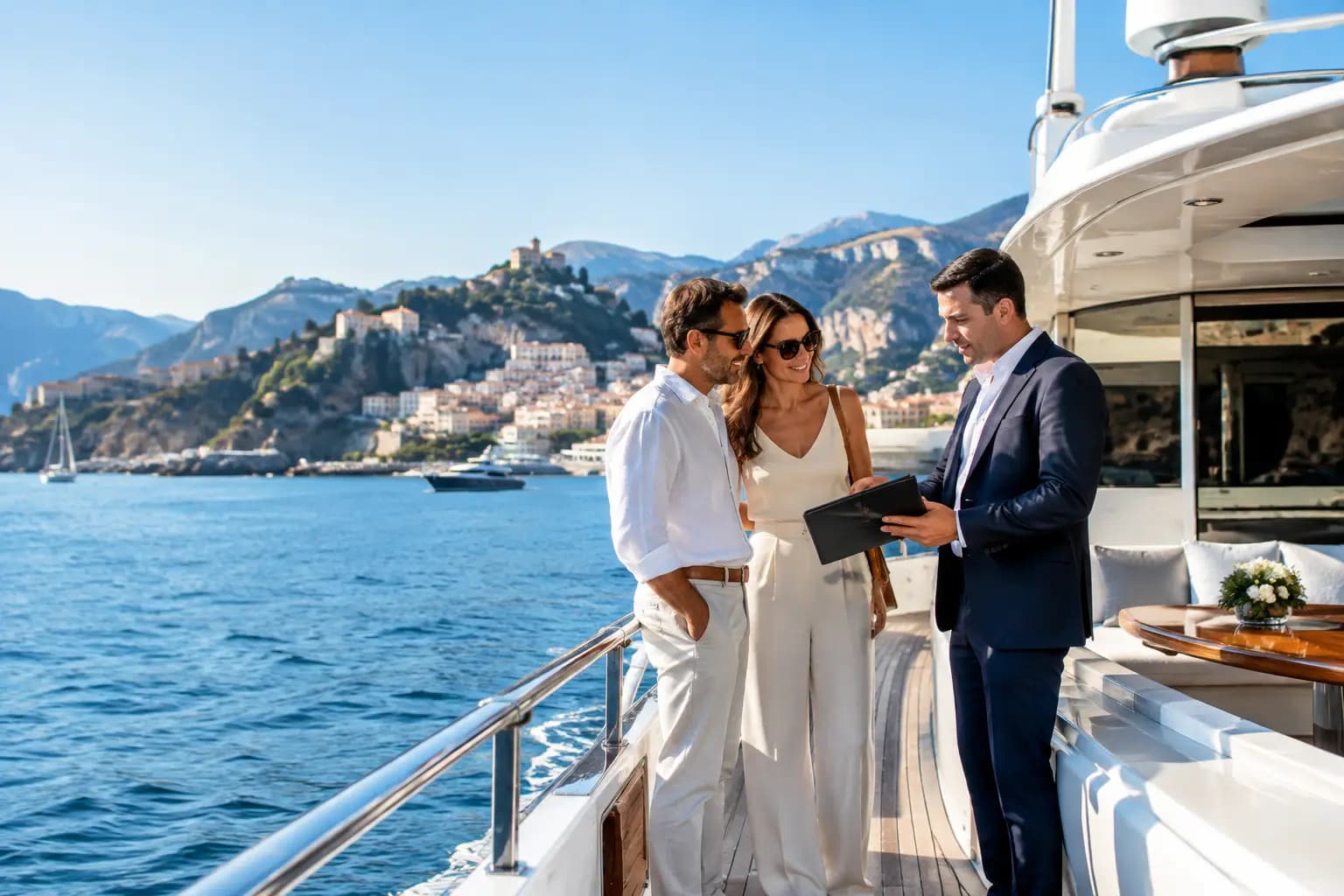
Italy is not simply a place to buy a yacht. It is a working center of yacht design, construction, refit, brokerage, and Mediterranean ownership. For buyers considering yacht sales Italy, that concentration creates exceptional choice - from late-model performance yachts and family cruisers to custom superyachts - but it also makes disciplined comparison essential.
A yacht may be advertised in Liguria, based in Sardinia, registered in another jurisdiction, and marketed to an international buyer through a multi-broker transaction. The opportunity is real, but so are the variables. A successful acquisition starts with the right brief, the right technical review, and a clear view of how the yacht will be used after completion.
Why Italy Remains a Serious Yacht Acquisition Market
Italy has unusual depth across the full yacht lifecycle. Buyers can assess established shipyard brands, inspect a wide selection of used yachts, commission refit work, organize seasonal cruising, and access experienced marine professionals within the same market. Genoa, La Spezia, Viareggio, Naples, Sanremo, Sardinia, and Sicily each serve different ownership profiles and operating requirements.
For a buyer, this matters because a yacht is not a static asset. Its value is shaped by build pedigree, maintenance discipline, crew standards, technical history, equipment updates, berth options, charter positioning, and resale appeal. A yacht built in Italy may have a strong service network, but that does not remove the need to verify its individual condition.
Italian yacht sales can be particularly compelling for clients who value design, outdoor living, performance, and the ability to cruise efficiently between the French Riviera, Corsica, Sardinia, Sicily, and the Amalfi Coast. It can also be a practical market for buyers seeking a yacht already positioned for Mediterranean use rather than arranging a long delivery from another region.
Start With the Operating Brief, Not the Listing
The strongest acquisition process begins before the first viewing. A buyer should define the intended use of the yacht with precision: private family cruising, regular weekend use, corporate entertaining, charter operation, or long-range seasonal travel. Those uses lead to very different decisions on layout, crew accommodation, draft, fuel capacity, stabilization, tender arrangements, and berth requirements.
A 25-meter motor yacht suitable for summer cruising around Sardinia may not be the best answer for a buyer planning frequent short trips from Monaco or year-round ownership in a different climate. Equally, a yacht with an attractive asking price may require an immediate refit budget that changes the commercial picture entirely.
A broker-led search should therefore assess more than length and year. The essential questions include whether the yacht’s layout works for the owner’s guest profile, whether its machinery and systems suit the planned itinerary, how easily crew can operate it, and whether the vessel has a credible resale audience when the ownership period ends.
New, Used, or Refit-Ready?
The right route depends on timing, budget, and appetite for project management. A new-build yacht offers the highest level of customization, but it requires patience, detailed specifications, and close control of the shipyard contract, payment schedule, design approvals, and delivery process.
A brokerage yacht can offer immediate access to the water and a more visible operating history. Its trade-off is compromise: the buyer inherits design decisions, maintenance practices, and technical choices made by previous owners. This is not necessarily a disadvantage when the yacht has been managed properly and the price reflects its condition.
A refit-ready yacht can be commercially sensible for a buyer who wants a specific platform but is prepared to allocate time and capital to mechanical work, paint, interiors, AV/IT systems, or layout changes. The risk is underestimating scope. Refit projects need clear specifications, independent technical input, contingency planning, and realistic delivery expectations.
Due Diligence Is Where Yacht Sales in Italy Are Won
A polished presentation is not a substitute for documentation. Before an offer progresses, buyers should review the yacht’s ownership and registration details, VAT position where relevant, class status, flag requirements, service records, insurance history, yard invoices, crew reports, and records of accidents, claims, or major repairs.
The pre-purchase survey and sea trial deserve particular attention. The surveyor should be selected for the yacht’s type and complexity, not simply availability. For larger yachts, the technical team may need specialists in hull structure, engines, generators, electrical systems, stabilizers, propulsion, navigation, and onboard hotel systems.
A sea trial should be treated as a controlled test, not a ceremonial cruise. Buyers need to see how the yacht starts, accelerates, maneuvers, performs at operating speed, responds under load, and behaves with key systems running. Any findings should be recorded clearly and addressed through contractual conditions, price adjustments, repair agreements, or retention structures where appropriate.
Documentation matters just as much as the inspection itself. A broker can coordinate the process, but the buyer should understand what remains unresolved before accepting the yacht. It is far less expensive to clarify an issue during negotiations than to discover it during the first season.
The True Cost of Ownership Requires a Mediterranean View
Purchase price is only the entry point. Annual ownership planning should account for crew, berthing, insurance, maintenance, fuel, winter storage, management, regulatory compliance, tender and toy upkeep, and periodic refit requirements. Costs vary considerably by yacht size, age, technical complexity, home port, and utilization.
Italy offers excellent cruising and technical infrastructure, but premium berths in desirable locations can be limited, especially during peak summer periods. A buyer who intends to keep the yacht in Liguria, Sardinia, Naples, or Sicily should discuss berthing early rather than treating it as an afterthought after closing.
For internationally based owners, management structure is equally important. Someone must coordinate crew payroll, planned maintenance, compliance calendars, supplier approvals, accounting, and operational reporting. Owners who charter their yachts also need a realistic assessment of charter readiness, crew capability, seasonal positioning, marketing standards, and the impact of guest use on wear, privacy, and schedule flexibility.
Charter income may offset certain operating costs, but it should not be assumed as a guaranteed outcome. Demand changes by yacht category, destination, week, pricing, and presentation. A cautious feasibility review is more useful than an optimistic revenue projection.
Structuring the Offer and Closing Properly
Yacht transactions should be documented with clear conditions and a defined timetable. The offer should identify the deposit arrangement, survey and sea trial conditions, documentation requirements, included equipment, known defects, delivery location, and responsibilities for repairs or outstanding works.
For cross-border acquisitions, buyers should involve qualified legal, tax, insurance, and registration advisers early. The correct ownership, flag, and VAT approach depends on the buyer’s residence, intended use, charter plans, cruising area, and the yacht’s existing status. There is no single structure that is right for every client.
Discretion can also be important. Some owners prefer controlled viewings, limited disclosure, or off-market discussions. In these cases, a well-qualified buyer profile and professional communication often determine whether access is granted.
What Sellers Should Do Before Entering the Italian Market
Sellers benefit from the same discipline. A yacht positioned with incomplete records, overdue maintenance, unclear VAT documentation, or unrealistic pricing will lose momentum quickly. The objective is not merely to list the yacht, but to make it easy for a credible buyer to understand, inspect, and trust.
Before marketing, owners should organize service history, resolve avoidable defects, review the inventory, confirm onboard condition, and obtain advice on price positioning against comparable yachts. Presentation should match the yacht’s category. Clean technical spaces, accurate specifications, current imagery, and a prepared captain or management team can materially improve the quality of viewings.
An international sales strategy should also consider the yacht’s strongest buyer markets. A yacht located in Italy may appeal equally to buyers from Monaco, France, Spain, Northern Europe, the United States, or the Middle East. The best campaign is targeted, commercially realistic, and managed with confidentiality where needed.
Make the Yacht Fit the Ownership Plan
The best yacht purchase is rarely the most obvious listing. It is the yacht that fits the owner’s cruising plans, technical tolerance, family or guest requirements, and long-term exit strategy. Italy provides extraordinary access to yachts, shipyards, and destinations, but professional selection remains the difference between a satisfying acquisition and an expensive compromise.
Master Ocean can support buyers and sellers with international brokerage coordination, acquisition strategy, technical due diligence planning, charter considerations, refit discussions, and new-build advisory. Request a Yacht or List Your Yacht when you are ready to turn an Italian market opportunity into a properly structured decision.