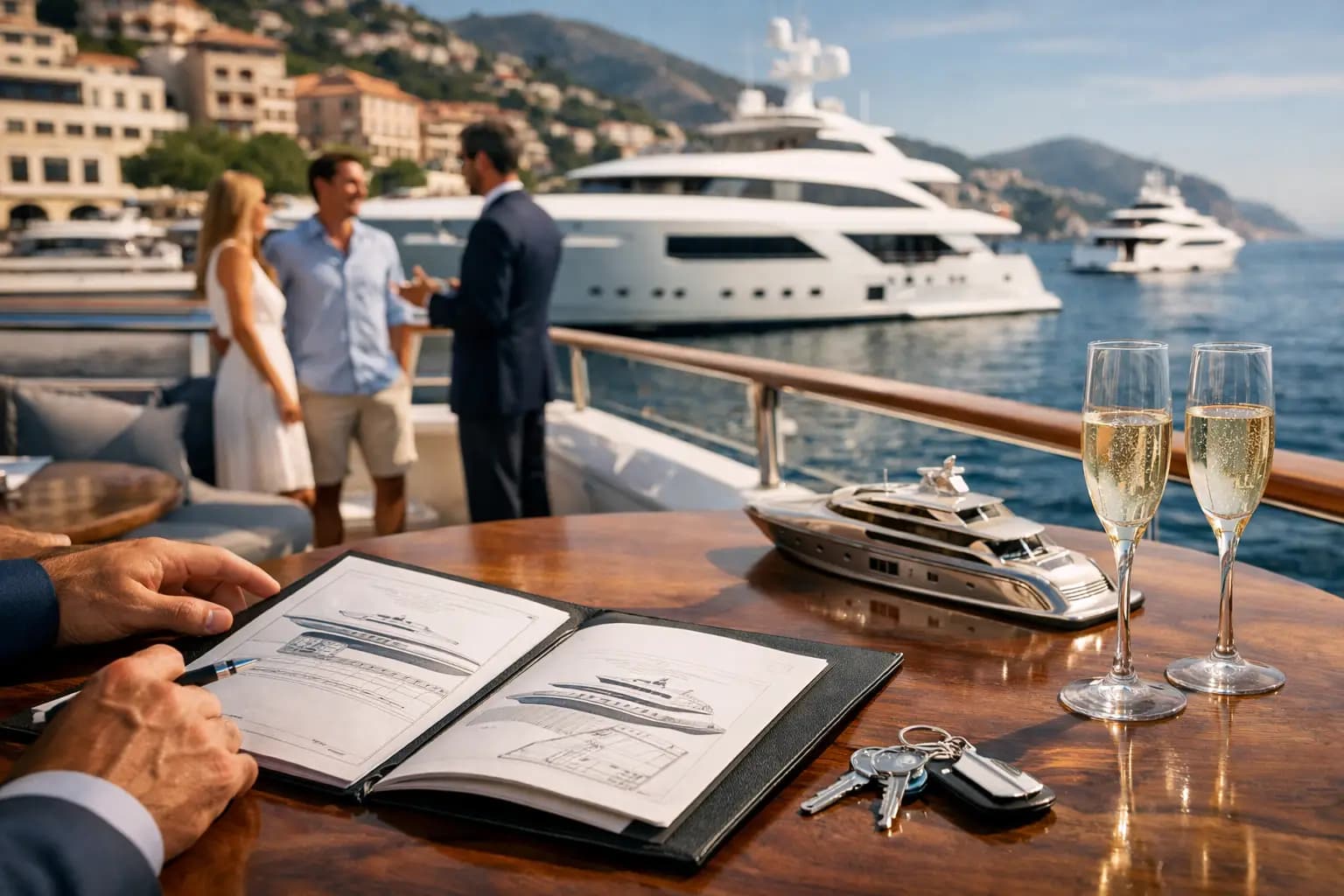
A 60-meter yacht can look flawless in photographs and still be the wrong acquisition. On this end of the market, the difference between a rewarding purchase and a costly distraction rarely comes down to styling alone. Buyers searching for superyachts for sale are not simply choosing a vessel. They are evaluating pedigree, operational logic, future use, and the quality of support behind ownership.
That is why the search process needs to be more disciplined than emotional, even when the yacht itself is designed to inspire both. A serious purchase at this level involves far more than length, guest capacity, or exterior lines. It is about selecting an asset that aligns with your cruising plans, ownership structure, technical expectations, and long-term strategy.
What superyachts for sale really represent
In practice, superyachts for sale sit at the intersection of luxury lifestyle and high-value asset acquisition. For some buyers, the goal is private family cruising with complete discretion. For others, it is an entertainer’s platform for major events, extended Mediterranean seasons, or selective charter potential. The right yacht can support all of that, but very few do it equally well.
This is where nuance matters. A yacht built for owner-operator privacy may feel very different from one designed around charter flow. Layout, crew circulation, storage, tender garage design, beach club access, elevator placement, and cabin hierarchy all affect daily use. On paper, two yachts with similar dimensions can serve entirely different ownership profiles.
The strongest opportunities usually combine design appeal with operational credibility. Shipyard reputation, maintenance history, engineering upgrades, class status, flag considerations, and crew feedback often tell a more reliable story than photography. An experienced buyer understands that visible luxury is only one layer of value.
How to evaluate superyachts for sale beyond appearance
The first filter should always be purpose. If your use centers on long-range cruising, an explorer profile, fuel capacity, seaworthiness, and storage become more important than open-deck spectacle. If your priority is summer entertaining in Monaco, Ibiza, or the French Riviera, exterior social areas, stabilization, guest flow, and marina compatibility may carry more weight.
Age also needs context. A newer yacht may offer cleaner design language, improved efficiency, and contemporary systems, but an older yacht with a disciplined refit schedule can represent a stronger proposition. The key question is not simply when the yacht was built. It is how it has been maintained, upgraded, and managed.
Technical due diligence should never be treated as a formality. Engine hours, generator history, hull condition, paintwork cycle, AV/IT modernization, air conditioning performance, watermakers, and safety systems all deserve scrutiny. Refit exposure can vary dramatically from one yacht to another, even in the same category and age bracket.
Then there is the human side of ownership. Crew accommodation, captain input, service workflow, and engineering access affect the onboard experience more than many first-time buyers expect. A yacht can be visually impressive and still create friction for crew performance, which eventually becomes owner inconvenience.
Value is not the same as asking price
The superyacht market rewards informed patience. An asking price may reflect ambition, market timing, or seller expectations more than actual position. That does not mean a premium listing is overpriced. It means pricing only becomes meaningful when viewed alongside condition, pedigree, location, tax status, recent works, and competing inventory.
Liquidity matters as well. Some yachts are easier to resell because they come from highly respected builders, have proven charter histories, or fit a size segment with broad international demand. Others may be excellent private yachts but narrower in appeal when it is time to exit. Buyers who think one step ahead tend to make stronger decisions on day one.
Ownership costs also shape real value. Berthing, crew, insurance, planned maintenance, class compliance, periodic refit work, and seasonal movement all influence annual spend. A yacht with a slightly higher acquisition price may prove more efficient to own if it has stronger systems, cleaner records, and fewer deferred maintenance issues.
In this market, bargain thinking is usually expensive. Well-positioned yachts rarely remain overlooked for long, and discounted vessels often require a closer look at why they have lingered. Price advantage is only useful when it does not introduce disproportionate technical or operational exposure.
New build or brokerage yacht
This choice depends on how much customization you want, how quickly you intend to use the yacht, and how involved you want to be in the process. A new build offers complete control over layout, finishes, engineering preferences, and onboard experience. It can be deeply rewarding for buyers with a clear vision and the patience to manage timelines, approvals, and yard relationships.
A brokerage purchase offers immediacy. You can inspect the actual yacht, understand real operating history, review maintenance records, and move more quickly toward closing and cruising. For many buyers, especially those entering superyacht ownership for the first time, this route offers greater clarity and fewer unknowns.
There is no universal best option. A buyer seeking a signature vessel with very specific requirements may prefer a custom or semi-custom build. A buyer who wants proven performance and a shorter path to use may find a brokerage yacht far more practical. The right answer comes down to timing, appetite for project management, and how personal the specification needs to be.
The role of brokerage in a high-value purchase
At the superyacht level, brokerage is not just about access to listings. It is about filtration, negotiation, discretion, and coordination across a complex transaction. The right brokerage team helps narrow the market efficiently, challenge assumptions, identify risk, and keep momentum through survey, legal review, documentation, and delivery.
That matters because even highly successful buyers typically do not want to spend time sorting through unsuitable inventory or managing multiple advisors without a lead point of control. A professional brokerage process brings structure to what can otherwise become fragmented. It also helps protect confidentiality, which remains essential for many owners and public-facing clients.
Full-service support becomes even more valuable after the purchase. Registration, management setup, technical coordination, crew sourcing, charter planning, repositioning, and ongoing maintenance all influence how successful ownership feels in practice. The transaction may end at closing, but the ownership experience begins there.
For that reason, many sophisticated buyers prefer a partner with international reach and operational depth, not just sales capability. A platform that understands brokerage, charter, management, and marine services can offer a more complete view of the yacht’s lifecycle.
What serious buyers should ask before moving forward
The strongest questions are rarely about decor. They are about history, evidence, and compatibility. Why is the yacht being sold now? What major works have been completed in the past three to five years? Are there open class recommendations or known technical items? How has the yacht been used - primarily private, heavily chartered, or seasonally idle? What are the realistic annual running costs based on current standards rather than optimistic estimates?
It is also wise to ask whether the yacht suits your intended cruising grounds. Draft, beam, tender arrangement, crew size, and shore power compatibility can all affect where and how you use the vessel. A yacht that performs beautifully in one region may be less convenient in another.
Buyers considering charter revenue should be equally careful. Charter potential can enhance the ownership equation, but only if the yacht’s layout, flag, compliance status, crew quality, and market appeal support it. Not every yacht should be placed into charter, and not every owner wants the operational rhythm that comes with it.
A market shaped by access and timing
The best superyachts for sale do not always remain visible for long, and not every attractive opportunity is broadly marketed. Private networks, off-market conversations, and timing around seasonal movement can all affect what becomes available. Buyers who are prepared, advised, and clear on their criteria tend to see better opportunities sooner.
That preparation should include more than budget. It should cover preferred size range, cruising plans, guest profile, ownership structure, staffing expectations, and whether charter matters at all. Once those factors are defined, the market becomes easier to read and far more efficient to navigate.
Master Ocean serves this segment with the level of discretion, market access, and full-service coordination that serious yacht acquisitions demand. For buyers who expect more than listings, that difference is substantial.
A superyacht should elevate your time, not complicate it. The right purchase is the one that fits your life with precision, performs with credibility, and remains rewarding long after the first viewing.