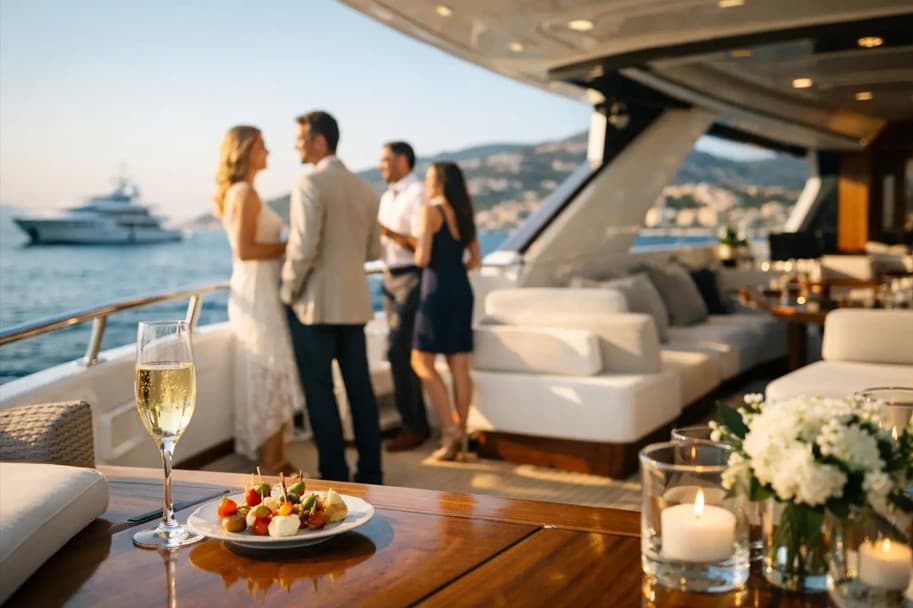
A yacht event can feel effortless to guests while requiring dozens of decisions behind the scenes. That is exactly why learning how to plan a yacht event starts with one question, not ten - what should this experience feel like from the moment guests step aboard to the moment they disembark?
That answer shapes everything. A corporate reception on a motor yacht in Miami needs a different pace, layout, and service plan than a sunset birthday charter in Ibiza or a client dinner during Monaco Yacht Show week. The most successful events are not built around a vessel alone. They are built around purpose, then matched to the right yacht, route, crew, and guest experience.
How to plan a yacht event without missing the essentials
The fastest way to create problems is to choose a yacht before defining the event itself. Start with the occasion, the guest profile, and the level of privacy expected. A product launch, executive gathering, engagement celebration, or post-conference cocktail event may all happen onboard, but each one places different demands on space, branding, timing, and service.
Guest count matters, but guest behavior matters more. Forty guests for a standing cocktail event can work beautifully on a yacht that would feel crowded for a seated dinner of twenty. If your guests are expected to network, move around, enjoy music, and circulate between decks, the layout needs to support flow. If the event is centered on dining, speeches, or a formal presentation, deck configuration and interior salon design become more important than headline length alone.
Timing is another early decision with real consequences. A daytime cruise creates a very different atmosphere from an evening harbor event. A moving charter offers views and exclusivity, but it also introduces variables such as sea conditions, embarkation windows, and guest comfort. A static yacht event at berth can be the better choice for brands or hosts who want stable footing, easier entertainment setup, and more controlled scheduling.
Choose the right yacht for the event, not just the image
Luxury clients are often shown spectacular yachts first, but visual appeal is only one part of the decision. The right yacht is the one that supports the event format with confidence.
Motor yachts are often the preferred option for polished social and corporate hosting because they typically offer generous deck space, refined interiors, and stable guest circulation. Catamarans can be excellent for relaxed daytime events, especially when outdoor living and wider beam are priorities. Superyachts create strong visual impact and elevated privacy, though they may also require more structured planning, security coordination, and lead time.
There is always a trade-off between scale and intimacy. A larger yacht can impress, but if the guest count is modest, it may dilute the atmosphere. A smaller yacht can feel exclusive and beautifully curated, but only if the layout supports service and movement without congestion. The point is not to book the biggest vessel available. It is to secure the yacht that fits the event naturally.
This is also where destination matters. In destinations such as Cannes, Dubai, or Fort Lauderdale, port logistics, marina regulations, and local event demand can affect yacht selection and availability more than many first-time hosts expect. During peak season or major industry events, the strongest yachts are often reserved well in advance.
Build the event around guest experience
A premium yacht event should feel composed from arrival onward. Guests notice the welcome, the pace, and whether the atmosphere feels intentional.
Embarkation deserves more attention than it usually gets. If guests are arriving by private car, tender, or marina access point, the handoff should be clear and well managed. Confusion at the dock can undermine an otherwise exceptional event in minutes. Signage, host presence, guest list handling, and timing all need a professional approach.
Once onboard, think in sequences. Welcome drinks on the aft deck, followed by a short coastal cruise, then dinner or live music on the upper deck, creates a natural rhythm. Without that rhythm, guests tend to bunch in one area, wait for cues, or miss key moments. Good planning makes movement feel instinctive.
Privacy is another factor that depends on the guest list. A corporate group may need branded discretion, space for conversation, and a lower-key entertainment style. A celebratory private event may lean more heavily into music, photo moments, and customized dining. Neither is better. The event simply has to match the audience.
Budgeting for a yacht event with fewer surprises
If you want to understand how to plan a yacht event well, budget discipline is part of the answer. The charter fee or venue cost is only the starting point.
Catering, premium beverage service, dockage, fuel, entertainment, floral styling, photography, security, transport, and local permits can all change the final number. Whether those costs are fixed, estimated, or consumption-based should be clarified before contracts are finalized. This is one of the biggest differences between a polished event and one that starts producing unwelcome adjustments late in the process.
The route also affects cost. A static event at berth may reduce operational variables, while a cruising event can increase fuel use, crew planning, and timing sensitivity. If the goal is conversation and hospitality, remaining dockside may be the smarter decision. If the goal is scenery and movement, the route becomes part of the product.
The most practical approach is to decide where the experience needs to feel elevated and where simplicity serves the event better. Guests will remember attentive service, a beautiful setting, and strong pacing long before they remember whether there were six passed canapes or ten.
Catering, entertainment, and service standards
Food and beverage planning on a yacht should be tailored to the vessel and event duration. Multi-course formal dining can be exceptional onboard, but only when the galley, crew, and deck setup support that format. For many events, elegant canapes, live stations, or a refined cocktail menu provide a more fluid experience.
Entertainment should also fit the space. A DJ, acoustic set, saxophone performance, or understated background music can work well depending on guest expectations. Large-scale production elements need careful review because power access, sound levels, deck loading, and marina restrictions can all come into play.
Service style matters as much as menu quality. A yacht event feels premium when the crew and vendors understand timing, discretion, and guest interaction. Onboard hospitality should never feel intrusive, but it should always feel attentive. That standard becomes especially important with VIP guests, executives, or family offices where details are noticed quickly.
Weather, compliance, and operational planning
Even the most refined event depends on practical planning. Weather backup is not optional. If an event relies heavily on open-deck use, ask what changes if wind, rain, or excessive heat affect guest comfort. Some yachts transition gracefully between indoor and outdoor hosting. Others are much more weather dependent.
Compliance is equally important. Guest capacity, local charter rules, berthing restrictions, alcohol service, entertainment permissions, and event insurance should all be confirmed early. A luxury event still needs operational discipline. In fact, the more high profile the gathering, the less room there is for improvisation.
This is one reason many experienced hosts work with a full-service yacht team rather than trying to coordinate vessel booking, catering, logistics, and event production separately. The convenience is valuable, but the real advantage is control. When one team oversees the moving parts, there is less room for mismatch.
How to plan a yacht event for corporate and private occasions
Corporate yacht events usually succeed when they balance brand presence with hospitality. That may mean subtle branded materials, a concise speech schedule, and enough open time for actual relationship building. If the event feels too programmed, guests can become passive. If it feels underplanned, the brand loses shape.
Private yacht events are more emotional and often more personal. Milestone birthdays, anniversaries, proposal dinners, and family celebrations benefit from tailored details that feel authentic to the host. That could be a favorite vintage, a specific route at sunset, custom table styling, or a surprise performance. The key is restraint. Too many features can make the event feel staged rather than sophisticated.
In both cases, good hosting comes down to alignment. The yacht, service style, schedule, and guest expectations should all point in the same direction.
For clients planning a high-value event, that alignment is where expert support makes a visible difference. Master Ocean approaches yacht experiences with exactly that standard in mind - matching vessel access, destination knowledge, and operational coordination to the level of event clients expect.
The best yacht events are not remembered because they were complicated. They are remembered because every part felt considered, calm, and distinctly well judged.