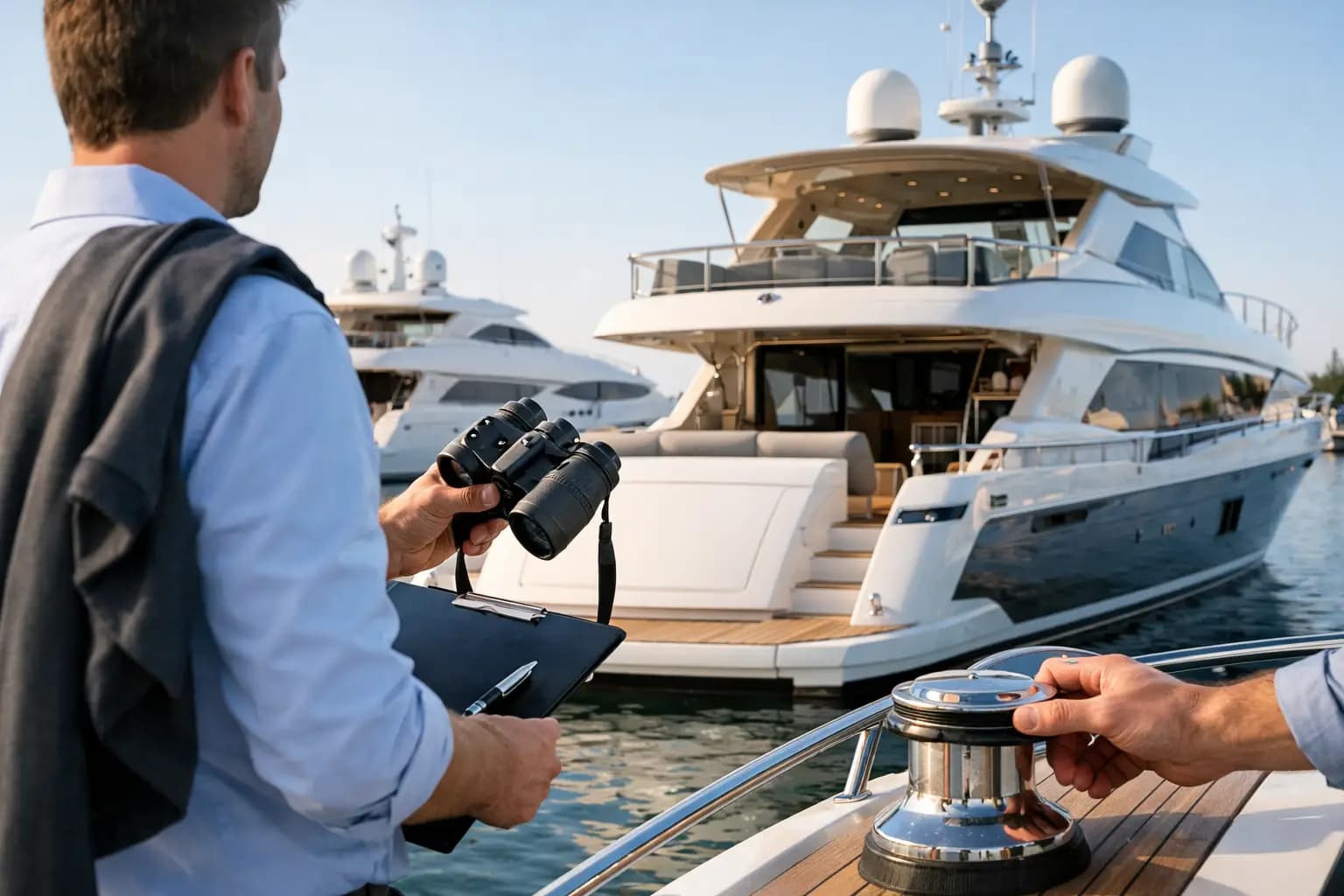
The difference between a satisfying yacht purchase and an expensive distraction usually shows up before the first sea trial. In the current market, there is no shortage of yachts for sale, but the right opportunity is rarely defined by length alone, polished photography, or an ambitious asking price. Serious buyers look past presentation and focus on fit, condition, operational logic, and long-term ownership value.
For private clients, family offices, and marine investors, buying a yacht is part lifestyle decision and part asset decision. That balance matters. A 60-foot motor yacht for Mediterranean weekends solves a different need than an explorer yacht built for extended range, and both require a different buying process than a sailing catamaran intended for charter use. The most successful transactions begin with clarity, not speed.
How to approach yachts for sale with a buyer's brief
A disciplined search starts with defining the role of the yacht. Some owners want private coastal cruising with minimal crew. Others need corporate entertaining, seasonal charter revenue, island-hopping with family, or global passage capability. When that use case is clear, the shortlist becomes far more precise.
Length, brand, and age are only part of the picture. Layout often matters more in daily ownership. A well-planned 70-footer with practical guest flow, reliable machinery access, and sensible crew accommodation can outperform a larger yacht that feels impressive at the dock but becomes inefficient underway. The same principle applies across categories, whether you are considering motor yachts, sailing yachts, catamarans, day cruisers, or superyachts.
Buyers also benefit from setting non-negotiables early. Draft restrictions, preferred cruising region, number of guest cabins, crew requirements, and intended berthing locations all shape the available market. If you plan to base the vessel in Miami, the South of France, Dubai, or the Greek islands, local operating realities should influence the search from the start.
Not all yachts for sale represent the same value
The asking price is only the opening figure. Market value depends on maintenance history, specification, shipyard pedigree, hours, refit quality, class status where applicable, and how well the yacht has been managed. Two similar yachts can be priced close together while offering very different ownership outcomes.
This is where experienced buyers separate cosmetic appeal from genuine value. Fresh upholstery and updated electronics can be attractive, but they do not compensate for deferred engine service, structural concerns, neglected systems, or incomplete documentation. On the other hand, a yacht with strong records, reputable upgrades, and consistent professional care may justify a firmer price because it reduces operational risk after closing.
There is also a timing element. Some sellers are testing the market. Others are motivated by fleet changes, seasonal deadlines, or a move into charter, commercial use, or a larger vessel. Understanding seller position can influence both negotiation strategy and transaction pace.
Choosing the right yacht category
The market is broad, and category selection affects everything from onboard experience to annual costs.
Motor yachts remain the preferred choice for buyers who value speed, volume, and comfort. They are often well suited to short luxury escapes, island cruising, guest entertainment, and professional crew operation. The trade-off is usually fuel consumption and more complex machinery compared with simpler vessel types.
Sailing yachts appeal to owners who prioritize passage experience, design elegance, and a more connected relationship with the sea. They can be exceptionally rewarding, though they demand a different skill set, a different pace, and in some cases more tolerance for operational complexity under sail.
Catamarans have earned strong interest for practical reasons. Their beam creates generous living space, stability at anchor, and strong appeal for family use or charter deployment. That said, marina access, berth availability, and handling preferences should be considered, especially in crowded destinations.
Explorer yachts serve a distinct buyer profile. They are built for range, autonomy, and serious travel. If your plans include remote cruising, long periods onboard, and support for tenders, toys, or expedition equipment, this category may offer the right platform. If your use is mainly seasonal coastal leisure, the extra capability may be more than you need.
Condition is more important than model year
A newer yacht is not automatically the better yacht. Build quality, maintenance discipline, technical oversight, and refit history often matter more than age on paper. A properly managed yacht from a respected yard can outperform a newer but neglected alternative in reliability, resale confidence, and total ownership cost.
Surveys remain central to the process. Hull, machinery, electrical systems, generators, navigation equipment, plumbing, stabilizers, air conditioning, and safety gear should all be reviewed with care. Depending on the type and size of the vessel, specialist inspections may also be warranted for sails, rigging, watermakers, AV systems, tender garages, or hybrid propulsion systems.
Documentation deserves equal scrutiny. Service records, title history, flag status, VAT or tax position, registration paperwork, builder documentation, and any outstanding finance or legal restrictions should be assessed early. Premium transactions require discretion, but they also require rigor.
The real cost of ownership
Many first-time buyers focus on acquisition and underestimate operations. Annual costs vary widely based on size, usage, location, crewing, and standards of upkeep. Berthing, insurance, fuel, routine maintenance, winter works, detailing, refit reserve, registration, management, and crew all need to be accounted for in a realistic ownership model.
This does not mean ownership is impractical. It means expectations should be aligned. A yacht used lightly in a single region with limited crew has a different cost profile than a globally mobile vessel with full-time staff and charter-standard presentation. Buyers who understand this early make more confident choices and avoid buying above their practical comfort zone.
There can also be commercial offsets. Some owners place vessels into charter programs or pursue structured usage models that help support operating expenses. This can be effective, but only when the yacht, jurisdiction, seasonal demand, and management setup are properly matched. Revenue potential should be evaluated conservatively, not emotionally.
Why brokerage support changes the outcome
High-value yacht transactions are rarely simple. Even when a listing appears straightforward, the process may involve cross-border ownership structures, registration transfers, survey coordination, legal review, tax considerations, negotiation strategy, and post-sale operational planning. This is where full-service brokerage becomes more than a convenience.
An experienced brokerage team helps buyers filter the market quickly, identify credible opportunities, coordinate inspections, and protect time. Just as important, they help structure the next phase of ownership. That can include berthing, management, maintenance planning, flag support, crew placement, transport logistics, and eventual charter or resale positioning.
For global buyers, reach matters. Access to international listings, regional operating knowledge, and local service networks can materially improve the quality of a purchase. A buyer looking across Europe, the Middle East, the United States, or Asia benefits from one coordinated process instead of fragmented local conversations. This is where a platform-led company such as Master Ocean fits naturally, especially for clients who want brokerage, charter insight, and ownership support aligned under one premium standard.
What a smart purchase process looks like
The strongest buyers move in a measured sequence. First, they define use, budget, geography, and ownership structure. Then they review a narrowed selection based on actual suitability rather than broad market noise. From there, they progress to viewings, technical questions, comparable market analysis, and serious negotiation only on vessels that meet both lifestyle and operational criteria.
Once an offer is accepted, diligence becomes more technical. Survey, sea trial, legal review, title checks, and cost forecasting should all happen before closing. If issues are discovered, they can affect price, terms, repair obligations, or the decision to step away. Walking away is sometimes the smartest move in the market.
Patience is valuable, but so is readiness. The best opportunities do not always stay available for long, especially in proven brands and popular size categories. Buyers who have their advisory team, budget clarity, and decision criteria in place can act decisively without acting blindly.
The right yacht should feel compelling, but it should also make sense on paper, at sea, and over time. When those three align, the purchase becomes more than a transaction. It becomes a well-positioned entry into ownership with the confidence to enjoy it from day one.